There’s something strangely humbling about sitting silently in an open safari jeep while a lion stares directly at you from a few meters away. No zoo barrier. No TV screen. Just dry grass moving in the wind, the smell of dust in the air, and the realization that nature still runs the show out here. After years of traveling through busy cities and crowded tourist hotspots, my first real African safari guide experience completely reset the way I think about travel.
Was it worth the long flights, the early morning game drives, and the money? Absolutely. In fact, I’d go as far as saying an African safari is one of the few travel experiences that genuinely lives up to the hype. The landscapes feel cinematic, the wildlife encounters seem unreal, and even the quiet moments somehow stay with you long after the trip ends. What surprised me most wasn’t just the animals—it was how deeply connected I felt to the environment itself.
Recent safari travel reports show that demand for African safaris has continued to grow steadily, with interest increasing again in 2025 as travelers seek more immersive and nature-focused experiences. South Africa, Tanzania, and Kenya remain among the most searched safari destinations worldwide.
Before I went, I spent months researching the best places to go on safari in Africa, comparing parks, budgets, and travel seasons. Looking back now, I’m glad I didn’t rush the planning process because every safari destination offers something completely different. Some are ideal for first-time travelers, while others feel remote and wild in the best possible way.
Why an African Safari Feels Different From Any Other Trip
I’ve traveled to beaches with clearer water, cities with better nightlife, and mountains with more dramatic scenery, but nothing has ever felt quite like an African safari. Maybe it’s because the experience strips away distractions. You spend hours watching nature unfold without notifications, traffic noise, or giant crowds trying to get the perfect Instagram shot. The rhythm of safari life slows you down in a way modern travel rarely does anymore.
One morning in Tanzania, I remember waking up at 5 a.m. to the sound of distant hyenas outside my tent. A few hours later, our guide quietly stopped the vehicle because a leopard was hidden in a tree nearby. Nobody spoke for several minutes. We just watched. That silence somehow made the moment more powerful than any tourist attraction I’ve ever visited.
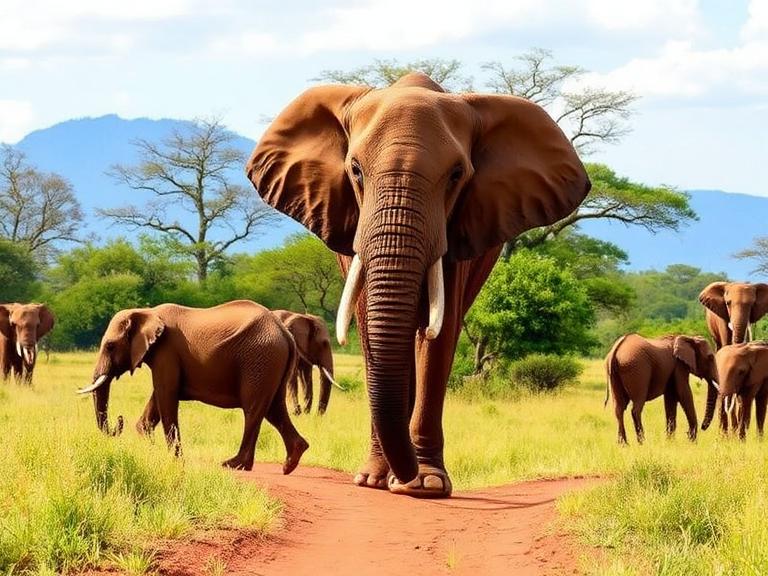
The emotional impact surprised me too. Seeing elephants move together as a family or watching giraffes walk across an orange sunset changes the way you think about wildlife documentaries forever. You stop seeing animals as entertainment and start appreciating ecosystems as living, fragile worlds.
Safari tourism has also become increasingly popular because travelers want meaningful experiences rather than rushed sightseeing. Industry reports show safari travel demand continues to rise as visitors prioritize nature, conservation, and slower travel experiences.
For me, the best safaris weren’t just about spotting the “Big Five.” They were about the small moments too—sharing coffee during sunrise game drives, hearing birds before dawn, and realizing how little humans actually control out there.
Best Time to Plan an African Safari
Timing matters more than most people realize when planning an African safari guide itinerary. Before my first safari, I assumed wildlife viewing would be the same year-round. That turned out to be completely wrong. The season can dramatically change animal sightings, landscapes, weather, and even your budget.
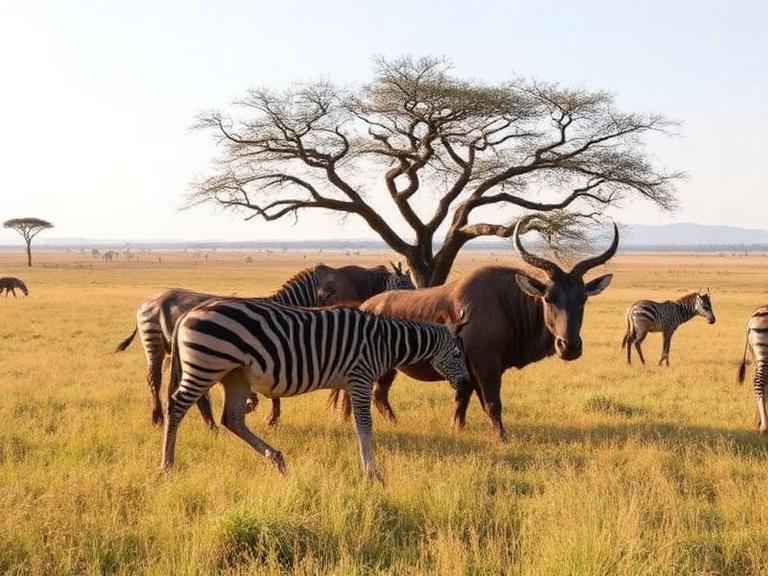
The dry season, usually between June and October in many safari regions, is considered the best time for wildlife viewing. Water becomes scarce, which pushes animals toward rivers and watering holes. During my Kenya safari in August, we saw elephants, lions, zebras, and buffalo within the first two hours because the animals gathered near limited water sources. The grass was shorter too, making wildlife much easier to spot.
The green season, often from November to April depending on the country, offers a different experience entirely. Landscapes become lush and dramatic, birdwatching improves, and safari camps often reduce prices significantly. I visited South Africa during shoulder season and honestly enjoyed the quieter atmosphere. There were fewer vehicles around sightings, which made the experience feel more intimate.
If witnessing the Great Migration is on your bucket list, timing becomes even more important. Around 1.5 million wildebeest migrate between Tanzania’s Serengeti and Kenya’s Maasai Mara each year. River crossings typically happen between July and October, although migration patterns shift slightly depending on rainfall.
One thing I learned quickly: there’s no universally “bad” time for safari. Different seasons simply offer different advantages. Some travelers prefer dramatic migration crossings, while others enjoy seeing newborn animals during calving season.
Serengeti National Park, Tanzania
Why I Loved the Endless Plains
If someone asked me to picture Africa before my trip, I’d probably imagine the Serengeti. Endless golden grasslands, acacia trees standing alone against the horizon, and massive herds stretching farther than your eyes can see. Visiting the Serengeti honestly felt surreal because it looked exactly like every nature documentary I grew up watching—but somehow bigger and more alive in person.
The wildlife density here is incredible. During one afternoon drive, we spotted lions sleeping under trees, cheetahs scanning the grasslands, and hundreds of wildebeest moving across the plains almost nonstop. The scale of everything makes you feel tiny in the best possible way.
One of my favorite memories happened completely unexpectedly. Our guide stopped suddenly after noticing movement near the road. A leopard slowly emerged from tall grass carrying its prey into a tree while the sunset turned the sky deep orange. Nobody in the jeep even reached for their phones at first because we were too stunned watching it happen.
The Serengeti is easily one of the best places to go on safari in Africa if you want classic safari scenery combined with reliable wildlife sightings. Guided tours usually range from budget camping safaris around $250 per day to luxury lodges exceeding $1,000 per night depending on comfort level and season.
I booked a small-group safari that included transport, park fees, meals, and accommodation, which made logistics much easier. Tanzania’s safari infrastructure is well developed, so first-time visitors generally find planning manageable.
Maasai Mara, Kenya
The Best Place for Big Cat Sightings
The Maasai Mara felt more intense than the Serengeti somehow. Wildlife sightings happened constantly, often within minutes of leaving camp. Our guide joked that the animals here don’t believe in privacy because predators seemed to appear everywhere we drove.
If you’re obsessed with lions, leopards, or cheetahs, Kenya’s Maasai Mara deserves serious consideration. On one morning drive alone, I watched a pride of lions resting beside the road while hyenas circled nearby waiting for leftovers. Later that same afternoon, we saw a cheetah sprint across open grassland chasing gazelles. It felt less like a safari and more like stepping directly into a wildlife documentary.
The Mara is also famous for Great Migration river crossings. Watching thousands of wildebeest leap into crocodile-filled rivers is chaotic, emotional, and honestly difficult to describe properly. The noise alone—the grunting, splashing, and panic—is unforgettable.
What I appreciated most was the cultural side of Kenya safaris. Visiting a Maasai community gave me a deeper understanding of how local people coexist with wildlife conservation. Experiences like this made the trip feel more layered rather than just animal-focused tourism.
Budget-wise, Kenya offers decent flexibility. Mid-range safaris often cost around $300–$600 per day depending on accommodation and season. Flying between parks saves time but increases costs significantly. Many travelers on Reddit also recommend flying safaris over long road transfers because roads between some lodges can be rough and exhausting.
For photographers, the Maasai Mara might honestly be one of the best safari destinations anywhere in the world.
Kruger National Park, South Africa
The Easiest Safari for First-Time Travelers
If Tanzania and Kenya feel adventurous, South Africa’s Kruger National Park feels accessible without losing the magic of safari travel. I usually recommend Kruger first when friends ask me where to begin their African safari guide journey because it balances convenience, wildlife, and affordability extremely well.
The infrastructure here is excellent. Roads are smooth, accommodations suit nearly every budget, and self-drive safaris are actually realistic if you prefer flexibility. I spent several days combining guided game drives with independent exploring, which gave me more control over my schedule.
One thing that surprised me about Kruger was how diverse the scenery felt. Some areas were dense with trees while others opened into wide savannas. Wildlife sightings varied constantly too. One morning we spent nearly an hour watching elephants bathe in muddy water while hippos grunted nearby.
Kruger also feels less intimidating for travelers nervous about safari logistics. English is widely spoken, transportation is straightforward, and nearby cities like Johannesburg make arrivals simpler compared to remote bush flights in other countries.
Accommodation options range from affordable government camps under $100 per night to ultra-luxury private reserves costing several thousand dollars nightly. Personally, I enjoyed mid-range lodges because they balanced comfort with authenticity without feeling overly polished.
South Africa continues to dominate safari interest globally, accounting for a large share of safari travel inquiries according to recent safari industry reports.
If you want your first safari to feel exciting without becoming logistically overwhelming, Kruger is hard to beat.
Okavango Delta, Botswana
A Completely Different Water Safari Experience
Botswana surprised me the most because it didn’t resemble the stereotypical safari landscapes I expected. Instead of endless dry grasslands, the Okavango Delta felt lush, watery, and strangely peaceful. This safari experience centered around silence rather than speed.
One evening, I explored narrow delta channels in a mokoro—a traditional canoe guided quietly through reeds while elephants grazed nearby. There was no engine noise, no rushing, and no giant crowds. Just water moving gently beneath us and birds calling across the wetlands.
The wildlife here felt more intimate because the environment naturally slowed everything down. Hippos surfaced beside the canoe unexpectedly, crocodiles rested quietly near riverbanks, and elephants crossed shallow water directly in front of us.
Botswana also focuses heavily on low-volume, high-quality tourism. That means safaris here often cost more than Kenya or South Africa, but the tradeoff is fewer vehicles and a more exclusive atmosphere. Mid-range Botswana safaris typically start around $500 daily, while luxury camps can become extremely expensive.
This destination is perfect for travelers wanting something quieter and more immersive. Instead of chasing sightings aggressively, the Okavango Delta encourages you to absorb the environment slowly.
It also changed my understanding of what the best places to go on safari in Africa really means. Every country offers a completely different rhythm. Botswana isn’t necessarily “better” than Kenya or Tanzania—it’s simply a different style of wilderness experience altogether.
South Luangwa National Park, Zambia
Why Walking Safaris Changed My Perspective
Before visiting Zambia, I thought safaris only involved vehicles. South Luangwa completely changed that assumption because this is one of Africa’s most famous walking safari destinations. At first, the idea sounded slightly terrifying. Walking through bushland where lions and elephants live naturally isn’t exactly an everyday activity.
But surprisingly, it became one of the most rewarding safari experiences I’ve ever had.
Walking safaris force you to notice details vehicles usually miss. Our guide pointed out animal tracks, insects, bird calls, and tiny environmental changes I would never have noticed from a jeep. Suddenly the bush stopped feeling like scenery and started feeling alive in a much deeper way.
There’s also a completely different psychological feeling when you’re on foot. You become more alert, more respectful, and far more aware of your surroundings. One morning we quietly observed giraffes feeding nearby while hearing distant elephants moving through trees behind us. That tension and excitement made every moment feel real and immediate.
Zambia still feels less commercial than some major safari destinations, which I personally loved. Camps were smaller, sightings felt uncrowded, and guides seemed incredibly knowledgeable.
If you’ve already done traditional safaris before, Zambia offers something refreshingly different. It may not be the easiest introduction for first-time travelers, but for experienced safari lovers, it’s unforgettable.
How Much an African Safari Actually Costs
Let’s talk honestly about money because safari pricing can feel overwhelming at first. Before my trip, I saw luxury safari photos online and assumed every African safari would cost a fortune. That’s not entirely true.
Budget safaris in countries like Kenya, Tanzania, and South Africa can start around $150–$300 per day if you choose camping or basic lodges. Mid-range safaris generally fall between $350–$700 daily and often include comfortable accommodation, meals, guides, and transportation.
Luxury safaris are where prices become wild. Some exclusive lodges charge several thousand dollars per night, especially in Botswana or private reserves. These experiences often include charter flights, private guides, gourmet dining, and extremely high-end accommodation.
Here’s a simple comparison table based on typical safari styles:
| Safari Type | Average Daily Cost | Best For |
|---|---|---|
| Budget Camping Safari | $150–$300 | Backpackers and adventurous travelers |
| Mid-Range Lodge Safari | $350–$700 | Most travelers seeking comfort |
| Luxury Safari | $1,000+ | Honeymooners and luxury travelers |
One thing many travelers forget to budget for is park fees. National park entry costs in some countries can exceed $70–$100 daily depending on the reserve.
I personally found mid-range safaris offered the best balance overall. Comfortable beds, excellent guides, good food, and unforgettable wildlife experiences without the extreme luxury markup.
Safari Accommodation Experiences
Safari accommodations became one of my favorite parts of the entire journey. I expected basic camping setups, but many safari lodges are surprisingly stylish while still feeling connected to nature.
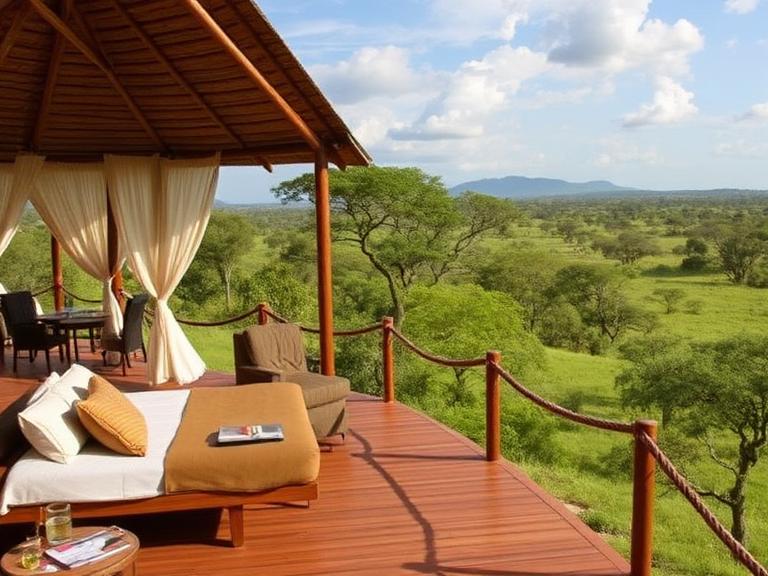
One night in Tanzania, I stayed in a tented camp where zebras grazed outside during dinner. Another lodge in Botswana overlooked a watering hole where elephants gathered every evening at sunset. These weren’t just places to sleep—they became part of the safari experience itself.
There’s also a huge range of accommodation styles. Some travelers prefer rustic bush camps with minimal electricity and canvas walls. Others choose luxury lodges with infinity pools, outdoor showers, and fine dining. Personally, I enjoyed tented camps most because they balanced comfort with atmosphere.
Falling asleep hearing distant lions outside your tent feels unforgettable in a way hotel rooms rarely do.
Most safari packages include accommodation, meals, and game drives together, which simplifies planning significantly. I’d strongly recommend checking whether airport transfers and park fees are included before booking because hidden costs add up quickly otherwise.
Another useful tip: stay at least two or three nights in each location. Constantly moving between parks becomes exhausting, and longer stays increase your chances of memorable wildlife sightings.
Practical Safari Tips I Wish I Knew Earlier
Packing for safari turned out easier than I expected, but there are definitely things I wish I’d known beforehand.
Neutral-colored clothing matters more than fashion. Beige, green, and brown help you blend into surroundings while avoiding attracting insects. I also underestimated how cold early morning game drives can become. A warm jacket saved me repeatedly during sunrise safaris.
Binoculars are absolutely worth bringing. Even though guides usually carry them, having your own dramatically improves distant sightings. A good camera helps too, but honestly, don’t spend the entire safari staring through a lens.
One of the biggest mistakes travelers make is overplanning animal expectations. Wildlife is unpredictable. Some days you’ll see everything imaginable; other days feel quieter. Ironically, the less obsessed I became with spotting specific animals, the more enjoyable the safari felt overall.
Safety-wise, listening to guides is non-negotiable. Safari guides understand animal behavior incredibly well, and their instructions exist for good reason. Never stand up unexpectedly during sightings or approach wildlife independently.
I’d also recommend booking through reputable operators, especially for first-time safaris. This made transportation, accommodation, and park logistics much smoother for me without removing the adventure itself.
Conclusion
An African safari ended up being far more emotional, immersive, and unforgettable than I expected. Before going, I imagined exciting wildlife encounters and beautiful landscapes. What I didn’t expect was how deeply calming the entire experience would feel. Spending days disconnected from constant noise and immersed in nature changed the pace of travel completely for me.
Whether you choose Tanzania’s endless Serengeti plains, Kenya’s predator-filled Maasai Mara, South Africa’s accessible Kruger safaris, Botswana’s peaceful Okavango Delta, or Zambia’s thrilling walking safaris, each destination offers something genuinely different.
If you’re still wondering whether an African safari guide experience is worth it, I’d say yes without hesitation. Not because it’s trendy or luxurious, but because very few trips leave such a lasting emotional impression.
And honestly? Once you’ve watched elephants crossing a river at sunset while the sky turns gold around you, regular vacations start feeling a little less exciting afterward.
FAQs
Is an African safari safe for tourists?
Yes, safaris are generally very safe when booked through reputable operators and guides. Professional guides are highly trained in wildlife behavior and safety procedures.
What is the best country for a first African safari?
South Africa is often the easiest for first-time travelers because of its strong infrastructure, self-drive options, and wide range of budgets. Kenya and Tanzania are excellent for classic wildlife experiences.
How many days do you need for an African safari?
I’d recommend at least 5–7 days for a meaningful safari experience. Shorter trips feel rushed, especially considering travel time between parks.
What animals can you see on safari?
Depending on location and season, you may see lions, elephants, leopards, rhinos, buffalo, giraffes, zebras, cheetahs, hippos, crocodiles, and hundreds of bird species.
What is the cheapest way to do an African safari?
Budget camping safaris in Kenya or Tanzania are usually the most affordable options. Traveling during shoulder season can also reduce costs significantly.