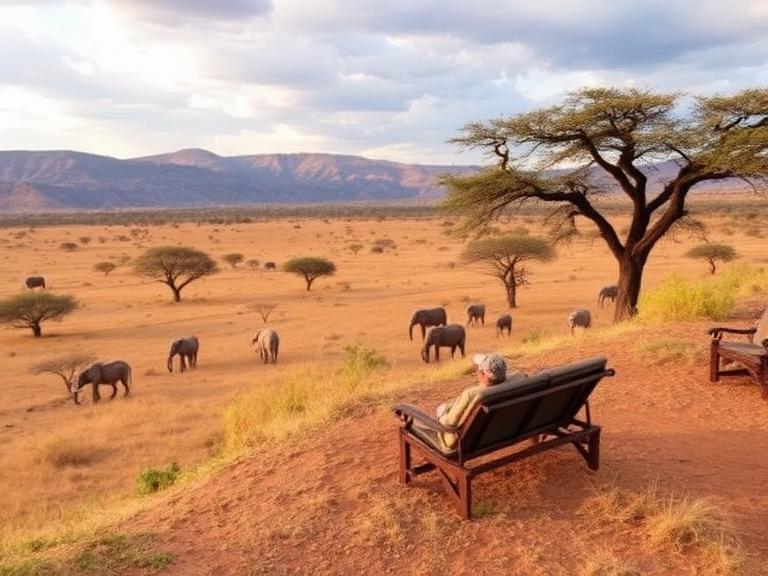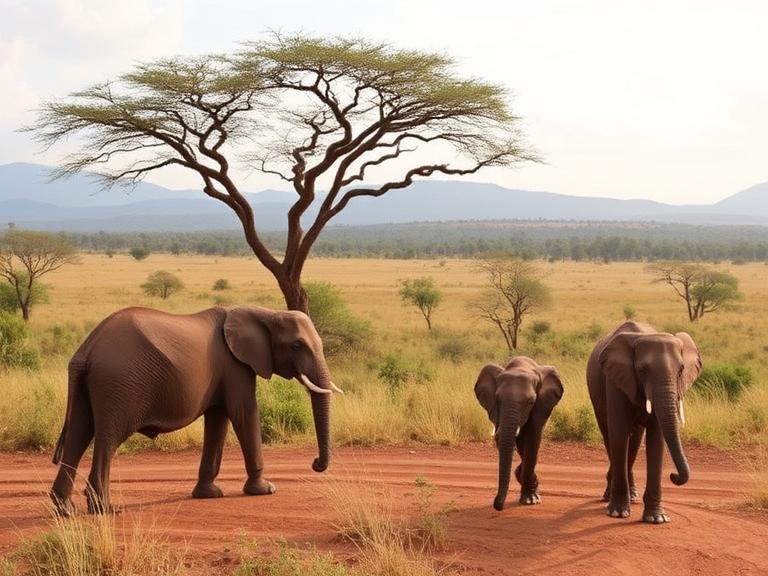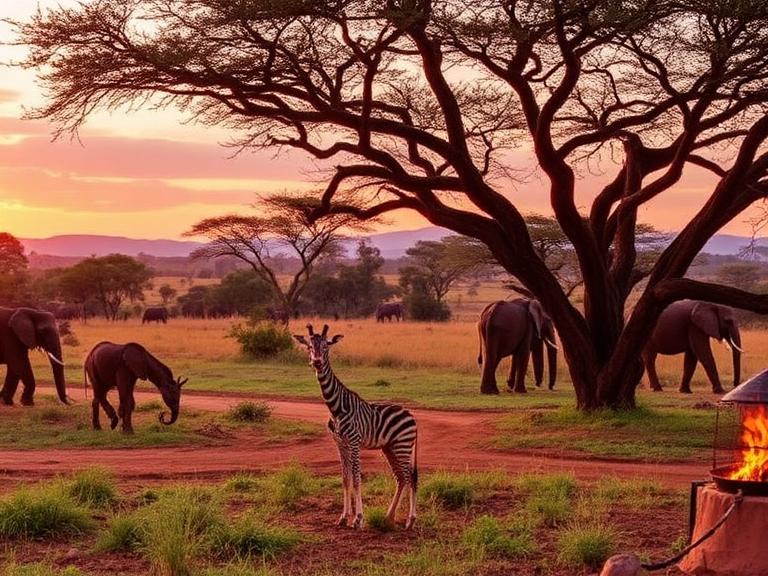
Planning a safari in Tanzania is exciting, but one question hits almost every traveler before anything else: how much does a Tanzania safari actually cost in 2026? The answer is not as simple as throwing out one number. Safari prices can range from around $250 per person per day for basic group camping trips to more than $2,000 per person per day for ultra-luxury fly-in experiences. The gap is huge because Tanzania offers everything from rugged adventure safaris to five-star wilderness escapes with infinity pools overlooking the Serengeti.
The good news? Tanzania still delivers some of the best wildlife experiences on Earth regardless of your budget. Whether you dream of seeing the Great Migration in the Serengeti National Park, descending into the legendary Ngorongoro Crater, or watching elephants roam through Tarangire National Park, there are ways to tailor the trip without completely destroying your bank account.
Recent 2026 safari pricing data shows that park fees continue to be one of the largest cost drivers, especially in premium parks like Serengeti and Ngorongoro. Some estimates place park fees alone at $600–$1,100+ per person on a 7-day safari, depending on the itinerary and season.
Why Tanzania Safaris Are Expensive
A Tanzania safari is not your average vacation. You are entering vast protected wilderness areas where conservation, logistics, wildlife management, and tourism infrastructure all come together in one giant ecosystem. That’s why prices can initially feel shocking. A family used to beach holidays may look at safari quotes and wonder why a week in Tanzania costs more than a luxury resort in Europe or Southeast Asia. The answer lies in what happens behind the scenes.
National parks in Tanzania are enormous. The Serengeti National Park alone spans around 30,000 square kilometers, making it one of the largest wildlife ecosystems in Africa. Maintaining roads, ranger programs, anti-poaching units, conservation projects, and wildlife protection costs serious money. Unlike urban tourism destinations, safari parks cannot rely on large crowds to spread costs across millions of visitors. Tanzania intentionally limits over-tourism in many areas to preserve the wildlife experience.
Park fees are one of the biggest contributors to safari pricing. Recent 2026 estimates show Serengeti fees ranging between roughly $60 and $85 per person per day depending on fee structure and taxes, while Ngorongoro includes additional vehicle descent fees that can exceed $295 per vehicle. When you combine these conservation fees with accommodation, guides, fuel, and vehicle maintenance, the numbers rise quickly.
Still, there’s a reason travelers consistently rank Tanzania among the world’s best safari destinations. Predator density in the Serengeti is extraordinary. Wildlife sightings often feel cinematic. One moment you are watching lions sleep beneath an acacia tree; the next, thousands of wildebeest thunder across the plains during the Great Migration. Tanzania does not simply offer a holiday—it delivers one of the most immersive wildlife experiences on the planet.
Tanzania Safari Costs at a Glance
The easiest way to understand Tanzania safari pricing is to divide it into three categories: budget, mid-range, and luxury. These categories are not just about accommodation. They also affect transport, guiding quality, flight options, food, and overall comfort.
| Safari Type | Average Cost Per Person/Day | Typical Experience |
|---|---|---|
| Budget Group Safari | $250–$350 | Camping or basic lodges, shared vehicle |
| Private Budget Safari | $350–$450 | Basic private safari with budget accommodation |
| Mid-Range Safari | $450–$700 | Comfortable lodges and tented camps |
| Luxury Safari | $700–$2,000+ | Premium lodges, fly-in safaris, elite service |
These figures are broadly consistent with recent 2026 safari market reports and operator pricing.
A major thing travelers misunderstand is that safari pricing usually works on a per person, per day basis. That means a 7-day mid-range safari for two people could easily cost $6,000–$10,000 before international flights. The same trip at luxury level could exceed $20,000 depending on the camps and flight arrangements.
Budget safaris typically involve camping or staying outside national parks in simpler lodges. Mid-range safaris provide a balance of comfort and value, often including permanent tented camps with real beds and private bathrooms. Luxury safaris are a completely different world. Think private bush flights, gourmet dining, plunge pools, premium guides, and suites overlooking elephant-filled waterholes.
One of the smartest strategies for keeping costs reasonable is booking directly with reputable local safari companies rather than large overseas agencies. Many travelers report savings of 20–40% or more while still receiving exceptional experiences. International agencies often subcontract to local operators anyway, adding another layer of overhead to the final price.
What’s Included in a Tanzania Safari Package
Safari pricing can feel confusing because different companies include different things. One operator may advertise a cheaper rate but exclude park fees, while another bundles nearly everything together. Understanding what is included helps you compare quotes properly instead of accidentally choosing a “cheap” safari that becomes expensive later.
Most safari packages include accommodation, game drives, meals, park entry fees, and guide services. Transport is usually provided in a specially modified 4×4 Land Cruiser with a pop-up roof for wildlife viewing. These vehicles are not ordinary SUVs. They are built to survive punishing dirt roads, rocky terrain, river crossings, and endless dust. Maintenance costs alone are substantial.
Accommodation standards vary massively between safari categories. Budget travelers may stay in campsites or basic lodges outside parks. Mid-range safaris often feature permanent tented camps inside or near protected areas, complete with en-suite bathrooms and surprisingly comfortable interiors. Luxury lodges can resemble boutique resorts dropped into the wilderness, with spas, infinity pools, gourmet chefs, and private decks overlooking the savannah.
Meals are usually full board while on safari. That means breakfast, lunch, and dinner are included. Mid-range and luxury camps often produce remarkably high-quality food considering the remote locations. Imagine sipping fresh coffee while zebras graze nearby or eating dinner beneath a sky exploding with stars. Safari dining feels less like restaurant service and more like part of the adventure itself.
Guides are another huge part of the value equation. A skilled Tanzanian guide can completely transform your safari. Experienced guides know animal behavior, migration patterns, radio communication systems, and hidden wildlife hotspots. They often spot camouflaged leopards or distant cheetahs long before tourists even notice movement in the grass.
Budget Tanzania Safari Costs Explained
Budget safaris are the gateway into Tanzania’s wildlife world. They are ideal for backpackers, solo travelers, younger couples, or anyone wanting the safari experience without spending luxury-level money. That said, “budget” in Tanzania does not necessarily mean cheap. Even low-cost safaris involve significant fixed costs because park fees remain mandatory for everyone.
Most budget safaris cost around $250–$450 per person per day. Shared camping safaris usually sit at the lower end of that range, while private budget safaris cost more because you are not splitting transport and guide expenses across a larger group. Recent traveler discussions and safari operator reports continue to place realistic group safari pricing in this range for 2026.
Group camping safaris are the cheapest option. You travel with other tourists in a shared vehicle and follow a fixed itinerary. Accommodation may involve dome tents, communal bathrooms, and simple campsites. The upside is affordability and social interaction. The downside is reduced flexibility. If your group wants to spend two hours photographing lions while you prefer elephants, compromise becomes unavoidable.
Private budget safaris offer a better experience for many travelers. You still use affordable lodges or camps, but you gain flexibility and privacy. You can customize your schedule, spend longer at sightings, and avoid the “school trip” atmosphere shared tours sometimes create.
One important reality check: even budget safaris in Tanzania can be extraordinary. Wildlife does not care how much you paid for your room. You can witness lion hunts, elephant herds, or dramatic migration crossings whether you sleep in a tent or a luxury suite. The difference lies mainly in comfort, convenience, and exclusivity—not the animals themselves.
Mid-Range Tanzania Safari Costs Explained
Mid-range safaris are often considered the sweet spot in Tanzania. They provide comfort, excellent wildlife access, and quality accommodation without crossing into ultra-luxury territory. Most travelers choosing Tanzania for a once-in-a-lifetime safari end up in this category because it balances value with experience beautifully.
Typical mid-range safari prices range from about $450 to $700 per person per day. This category often includes permanent tented camps inside or close to the parks, private safari vehicles, experienced guides, and upgraded amenities. Instead of sleeping bags and communal showers, you get proper beds, en-suite bathrooms, dining tents, and comfortable lounges overlooking the bush.
Permanent tented camps deserve special mention because they redefine what “camping” means. These are not flimsy festival tents. Many include hardwood floors, king-sized beds, hot showers, stylish décor, and private verandas. Falling asleep to the sound of distant hyenas while lying in a comfortable bed is one of those safari moments people never forget.
Mid-range safaris also tend to include better logistics. Vehicles are newer, guides are often more experienced, and food quality improves dramatically. Some itineraries even include short domestic flights between destinations, especially when combining safari with Zanzibar beach holidays.
Another major advantage is location. Budget accommodations are often outside national parks to reduce fees, which means long drives every morning before game viewing even starts. Mid-range camps are more likely to sit inside or near prime wildlife zones. That translates into earlier sightings, fewer transit hours, and more immersive experiences overall.
For couples, honeymooners, and families wanting comfort without financial shock, mid-range Tanzania safaris usually offer the strongest overall value.
Luxury Tanzania Safari Costs Explained
Luxury safaris in Tanzania exist in an entirely different universe. These experiences are designed for travelers who want elite comfort, personalized service, and seamless logistics while exploring some of Africa’s wildest landscapes.
Luxury safari prices generally begin around $700 per person per day and can exceed $2,000 or even $15,000 per night at the highest end. Ultra-premium properties in the Serengeti cater to celebrities, executives, and high-net-worth travelers seeking complete exclusivity.
So what exactly are you paying for?
First, luxury safaris often replace long road journeys with bush flights. Instead of bouncing for eight hours across dusty roads, you board small propeller aircraft and fly directly into remote airstrips near safari camps. This saves time and significantly improves comfort.
Second, accommodation becomes spectacular. Some luxury lodges feature infinity pools overlooking watering holes, spa facilities, wine cellars, private plunge pools, and personal butlers. You may have floor-to-ceiling windows facing the savannah or outdoor bathtubs where elephants wander past at sunset.
Third, guiding quality becomes highly specialized. Elite guides often possess decades of field experience and deep wildlife expertise. Some luxury safaris even offer photographic guides, private vehicles, or tailor-made wildlife tracking experiences.
Luxury also means privacy. Instead of large dining areas and busy camps, many luxury lodges emphasize intimacy and exclusivity. Imagine eating dinner beside a lantern-lit riverbank while hearing lions roar somewhere in the darkness. Tanzania excels at delivering those cinematic moments.
Ironically, luxury travelers sometimes spend less actual time in safari vehicles because the camps themselves become destinations. Many people book extra nights simply to enjoy the scenery, atmosphere, and tranquility.
Tanzania Park Fees in 2026
Park fees are the hidden engine driving safari costs in Tanzania. Many first-time travelers focus entirely on accommodation prices while underestimating how much conservation charges influence the final bill.
Recent 2026 estimates place Serengeti park fees between approximately $60 and $85 per person per day depending on fee structure and taxes. Ngorongoro conservation fees can exceed $80 per person daily, plus an additional crater vehicle fee that often surpasses $295 per vehicle.
Here’s a simplified snapshot of estimated 2026 park fees:
| Park | Estimated Adult Fee |
|---|---|
| Serengeti | $60–$85/day |
| Ngorongoro Conservation Area | $60–$88/day |
| Ngorongoro Crater Vehicle Fee | $295–$307/vehicle |
| Tarangire | $50–$60/day |
| Lake Manyara | $50–$55/day |
These fees fund conservation, anti-poaching efforts, road maintenance, and park operations. Tanzania’s wildlife economy depends heavily on tourism revenue to sustain protected ecosystems.
One thing many travelers discover too late is that transit through certain areas still incurs fees. For example, many road routes into the Serengeti pass through Ngorongoro Conservation Area, meaning you may pay Ngorongoro entry charges even before descending into the crater itself.
This is why safari quotes can vary dramatically. Some companies include all fees upfront, while others separate them into additional line items. Always ask whether park fees, concession fees, camping fees, and crater descent charges are included before booking.
Factors That Affect Tanzania Safari Prices
Safari pricing is influenced by multiple moving parts. Understanding these variables helps travelers build smarter itineraries and avoid overspending unnecessarily.
The first major factor is seasonality. Peak season in Tanzania usually runs from July through October when wildlife viewing is exceptional and migration river crossings occur in northern Serengeti. Prices rise sharply during this period because demand explodes. Camps that cost $300 per night in low season may exceed $700 during migration months.
Low season, particularly March through May, can reduce safari prices by 20–30% or more. Some travelers avoid these months because of rain, but the landscapes become lush and beautiful, crowds disappear, and accommodation discounts become substantial.
Group size also matters. Safari vehicles and guides are fixed costs. A solo traveler bears the entire expense alone, while couples or groups split those costs across multiple people. The biggest savings happen when moving from one traveler to two travelers. Beyond four people, additional savings become smaller because accommodation and park fees remain charged individually.
Booking method plays another huge role. International travel agencies often add large markups because they subcontract the safari to local Tanzanian operators. Booking directly with reputable local companies frequently produces lower prices and more personalized service.
Transport style influences costs too. Driving between parks is cheaper but slower. Bush flights save time but can add hundreds of dollars per person. Luxury itineraries commonly prioritize flights to maximize comfort and reduce exhausting road transfers.
Northern Circuit vs Southern Circuit Costs
Most travelers visit Tanzania’s Northern Circuit because it contains the country’s most famous safari destinations. This route typically includes the Serengeti, Ngorongoro Crater, Tarangire, and Lake Manyara. It offers incredible wildlife density, strong infrastructure, and a wide range of accommodation options.
The Southern Circuit is wilder, more remote, and usually more expensive.
Parks like Nyerere National Park and Ruaha National Park attract fewer visitors, which appeals to experienced safari travelers seeking solitude. The tradeoff is logistics. Distances are larger, road conditions are rougher, and flights become almost essential.
Industry pricing comparisons suggest Southern Circuit safaris can cost 40–50% more than comparable Northern Circuit itineraries due to transport complexity and reduced competition among operators.
That does not mean the Southern Circuit is “better” or “worse.” It simply caters to a different style of traveler. Northern Tanzania delivers iconic safari moments and classic wildlife experiences. Southern Tanzania offers remoteness, exclusivity, and fewer vehicles at sightings.
For first-time visitors, the Northern Circuit usually provides the strongest balance of value, wildlife density, and logistical simplicity.
Extra Costs You Should Budget For
Safari quotes rarely include absolutely everything. Travelers should budget separately for visas, flights, tips, travel insurance, vaccinations, and personal spending.
Tips are culturally expected in Tanzania’s safari industry. Many travelers budget around $10–$20 per person per day for guides depending on service quality. Camp staff tips are usually separate.
Tanzania visa costs vary by nationality. US travelers often pay around $100 for multi-entry visas, while many other nationalities pay around $50 for standard tourist visas.
Vaccinations and anti-malarial medication also add to the budget. Depending on your home country and healthcare coverage, travel vaccines can cost several hundred dollars altogether.
Internal flights are another frequently underestimated expense. Flying between the Serengeti and Zanzibar, for example, can add $250–$400 per person depending on season and airline.
Balloon safaris represent one of the most popular optional extras. Floating silently above the Serengeti at sunrise sounds magical because it genuinely is. The catch? Prices usually range between $550 and $650 per person.
Souvenirs can also become surprisingly expensive if you are not careful. Handmade Maasai jewelry, paintings, carvings, and textiles are beautiful, but bargaining is common. Friendly negotiation is part of the shopping culture in many areas.
How to Save Money on a Tanzania Safari
A Tanzania safari will never be “cheap,” but there are smart ways to reduce costs without ruining the experience.
Traveling during shoulder or low season is one of the best strategies. Prices fall significantly while wildlife viewing often remains excellent. Green season landscapes are stunning, photography improves because of dramatic skies, and parks feel less crowded.
Choosing mid-range rather than luxury accommodation can dramatically reduce expenses while preserving most of the safari experience. Wildlife viewing remains extraordinary regardless of thread count.
Booking directly with local operators instead of overseas agencies often saves substantial money. Local companies frequently provide identical experiences because they are the ones actually operating the safari vehicles and guides anyway.
Limiting internal flights can also help. Bush flights are convenient but expensive. If you are comfortable with longer drives, road transfers cut costs considerably.
Traveling as a couple or small group improves value because vehicle and guide expenses are shared. Solo travelers usually pay the highest per-person rates.
Finally, avoid trying to cram too much into one itinerary. Many travelers overestimate how many parks they need. Spending more time in fewer locations often creates a better experience and reduces transit costs.
Best Time to Visit Tanzania for Value
Timing shapes both safari quality and safari cost. Tanzania’s peak season generally runs from July through October, coinciding with dry weather and dramatic migration river crossings in northern Serengeti.
This is also when prices reach their highest point.
Travelers seeking value should seriously consider January, February, or November. These shoulder months often provide excellent wildlife viewing with noticeably lower accommodation rates.
March through May forms the green season. Heavy rains occur in some regions, but discounts become substantial. Many luxury camps slash prices dramatically to attract guests during these quieter months.
Migration timing also matters. The Great Migration is not one static event. Different phases occur throughout the year. Calving season in southern Serengeti from roughly January to March offers incredible predator action and baby animals. River crossings typically occur later in the year.
According to recent migration guides, over 1.5 million wildebeest move through the Serengeti ecosystem annually, making timing a major factor in safari planning.
If your dream involves seeing dramatic Mara River crossings, you may need to accept higher seasonal pricing. If your priority is overall value, shoulder season often wins.
Is a Tanzania Safari Worth the Cost?
This question matters because Tanzania safaris require serious financial commitment for most travelers. The honest answer? For many people, absolutely yes.
Very few travel experiences combine wildlife, landscapes, culture, and emotional impact in the way Tanzania does. Watching elephants move silently through golden grass at sunrise or hearing lions roar across the Serengeti after dark creates memories that stay vivid for decades.
Tanzania also offers something increasingly rare in modern tourism: scale and wildness. You do not feel like you are visiting a zoo or theme park. The ecosystems feel ancient, unpredictable, and alive.
The cultural dimension adds another layer. Visiting Maasai communities or learning about Hadzabe hunter-gatherers introduces travelers to lifestyles and traditions radically different from modern urban life. These interactions often become just as memorable as the wildlife itself.
Safari costs can initially seem overwhelming, but many travelers later describe the experience as one of the few vacations that genuinely exceeded expectations. That says a lot considering the price.
Conclusion
A Tanzania safari in 2026 can cost anywhere from a few thousand dollars to the price of a luxury car depending on your travel style. Budget safaris generally begin around $250–$350 per person daily, mid-range experiences sit around $450–$700, and luxury safaris easily exceed $1,500+ per day.
The biggest drivers of cost are accommodation, park fees, transport style, and seasonality. Premium parks like the Serengeti and Ngorongoro come with substantial conservation fees, but those fees also help protect some of the world’s most extraordinary wildlife ecosystems.
For most travelers, the smartest balance lies in a mid-range private safari booked through a trusted local operator during shoulder season. That combination often delivers excellent comfort, strong wildlife experiences, and reasonable overall value.
Tanzania is not a bargain destination. It was never meant to be. What it offers instead is something far rarer: the chance to witness Africa’s wilderness at its most dramatic, untamed, and unforgettable.
FAQs
1. How much does a 7-day Tanzania safari cost in 2026?
A 7-day safari typically costs around $1,800–$3,000 for budget travel, $3,500–$6,000 for mid-range experiences, and $7,000–$15,000+ for luxury safaris depending on accommodation and flights.
2. Are Tanzania safaris cheaper than Kenya safaris?
Tanzania and Kenya pricing is relatively similar, though Tanzania is often slightly more expensive because of park fees and longer travel distances. Tanzania also tends to feel less crowded in many parks.
3. What is the cheapest month to visit Tanzania?
March through May usually offers the lowest safari prices because of the rainy season. Accommodation discounts during this period can be substantial.
4. Are park fees included in safari packages?
Sometimes yes, sometimes no. Always confirm whether conservation fees, crater fees, concession fees, and VAT are included before booking.
5. Is a private safari worth the extra cost?
For many travelers, yes. Private safaris offer flexibility, privacy, and personalized wildlife viewing that shared group tours cannot match.