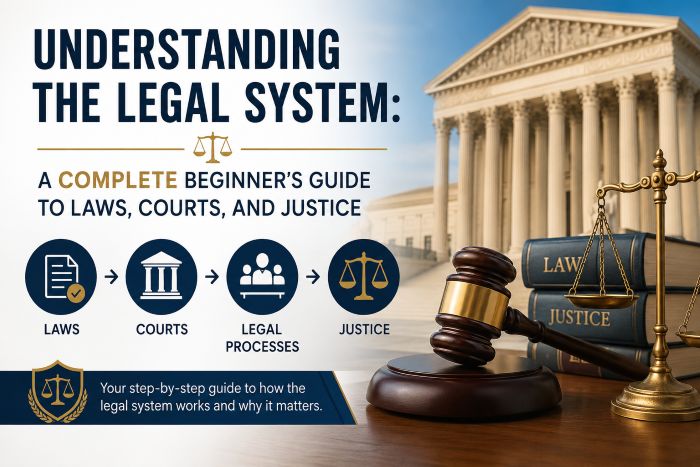
The legal system can be a intimidating concept, especially for those who have not had much experience dealing with courts and lawyers. The language can be very complex and the reality is often very different from what is sometimes shown on television. The fact is that the legal system exists to maintain order, protect the rights of individuals and ensure fairness.
Whether we are buying a home, starting a business or simply living our daily lives, the legal system affects every one of us.
This guide is an overview of the legal system that is designed to help those unfamiliar with the system understand the basics of how it works, as well as learn about some of the important components and players within it.
The Legal System – An Overview
What Is the Legal System?
The legal system is essentially a set of rules that are established by the government within a given jurisdiction. The legal system encompasses laws, courts and other agencies, as well as guidelines for enforcing the laws.
The objectives of most legal systems are to achieve peace, protect individuals and their rights, settle disputes in order to avoid conflicts, punish those who violate laws and ensure equality among all citizens. All countries have legal systems, although many of them share similar objectives such as ensuring equality.
Why is it important to Understand the System?
Understanding the system can help protect rights and prevent trouble. It can allow people to make educated decisions and understand contracts. It can also help people know when to seek legal assistance in order to address their concerns.
By knowing more about the law, citizens may become more empowered and active members of their communities who can make smart decisions that involve the system and the law.
There are several main areas of law
Criminal Law
This area of law deals with crimes that are committed against people and society as a whole, including theft, assault, fraud, murder and drug offenses. Violators of the law face punishments such as fines, community service and imprisonment.
Law
This area of law typically focuses on conflicts between individuals or businesses, such as breach of contract, property injury, family law matters and consumer disputes. In most cases, these conflicts are resolved by obtaining money damages or a court order instead of imprisonment.
Constitutional Law
Constitutional law covers the constitution itself as well as its implementation, as well as aspects that relate to the rights of citizens, such as freedom of speech and freedom of religion, and issues regarding equality and justice. Various aspects of the constitution, including the role of government officials, are subject to interpretations made by courts.
Administrative Law
This area of law covers regulations, rules and policies that apply to specific areas of the economy and society. Laws relating to the environment, worker safety, tax collection, licensing and health care are just some of the many areas that fall under administrative law. Agencies that are responsible for enforcing specific laws also fall under this category.
The Court System
There are three main levels of courts.
Trial Courts
These courts handle cases that come before the courts system for the first time. They can conduct trials, determine facts, hear witness testimony, weigh the evidence and deliver judgments. Most cases are handled by trial courts.
Appellate Courts
These courts review cases that have already been heard by trial courts in order to determine whether rulings and legal procedures followed the law. Appellate courts do not conduct trials, so evidence is not presented and witnesses are not heard. Instead, judges analyze the legal aspects of the cases and review the decisions that were made.
Supreme Court
The Supreme Court serves as the highest level of the judiciary. It typically hears cases that pertain to the constitution or issues that are of national importance, as well as cases that require the court’s involvement because of disagreement among lower courts.
Some of the Most Important Players
Judges
These officials are responsible for overseeing courts and ensuring that proceedings follow the law. They can hear cases, make decisions regarding specific issues and interpret laws. They can also deliver verdicts and sentences. Judges are supposed to remain impartial in all cases that come before them.
Lawyers
Lawyers can provide individuals and businesses with advice and representation in a variety of areas, including contracts, business law, criminal defense, family law, estates and trusts and litigation. They can also help settle disputes, as well as prepare necessary documents in order to resolve conflicts.
Prosecutors
Prosecutors represent the government in criminal trials. They can investigate accusations, bring charges against violators and provide evidence in order to secure convictions. In addition to winning cases, prosecutors are supposed to serve justice by ensuring that the punishment fits the crimes that are proven to have been committed.
Defense Attorneys
These attorneys can represent people who are accused of committing crimes. They can challenge evidence and witnesses and provide defense services in order to help their clients avoid convictions. Everyone who is accused of a crime has the right to a defender.
The Legal Case Process
There are several steps that need to be taken in order for a legal case to be heard by the court, as well as several steps that are taken after the case has been decided. The process may vary depending on the type of the case, but there are several elements that are common to all cases.
Investigation
Authorities need to gather evidence and information in order to build the case against the defendant.
Filing of Charges or Lawsuit
Depending on the type of the case, the charges need to be filed in order for the case to move forward. Criminal cases typically involve the filing of charges by prosecutors, while lawsuits are brought by the plaintiffs in civil cases.
Pre-Trial Proceedings
Both parties present evidence, as well as file other legal documents, in order for the case to be heard by the court. Legal actions, such as motions, can also be filed during this time in order to resolve certain issues or settle the case. It is important for both sides to understand their rights and obligations.
Trial
During this proceeding, judges or juries hear the evidence in order to decide whether the defendant is guilty or not. During a trial, the plaintiff proves that the defendant committed the crime or that the defendant is responsible for causing the particular incident.
Judgment
The court delivers the ruling and decides whether the defendant is guilty or not. In some cases, the judge may enter a judgment against the defendant.
Appeals
If either party believes that the judgment made by the court is incorrect, they can file a notice of appeal in order to have the ruling reviewed by another court.
Rights Every Citizen Should Know
Many legal systems guarantee fundamental rights, including:
- The right to a fair trial
- The right to legal representation
- Freedom of speech
- Freedom of religion
- Protection against unlawful searches
- Equal treatment under the law
- Due process of law
Knowing these rights helps individuals protect themselves in legal situations.
What Is Alternative Dispute Resolution(ADR)
Not all disputes necessarily have to be taken to court, especially since alternative dispute resolution (ADR) methods can allow people to resolve conflicts without engaging in lengthy and often expensive litigation. Methods such as mediation, arbitration and negotiation can allow the parties to reach a settlement that is acceptable to both of them.
Mediation refers to a process in which an independent and impartial third party helps the parties reach an agreement. Arbitration involves a neutral third party hearing the dispute and making a decision, while negotiation refers to direct communication between the parties in order to resolve the conflict.
Technology and the Legal System
Technology has transformed legal services in many ways.
Examples include:
- Electronic court filing
- Virtual hearings
- AI-assisted legal research
- Digital evidence management
- Online dispute resolution
- Electronic signatures
These innovations improve efficiency and increase public access to legal services.
Common Myths About the Law
| Myth | Reality |
|---|---|
| You can always represent yourself successfully. | Legal procedures are often complex and professional guidance may be beneficial. |
| Every dispute goes to trial. | Most cases are settled before trial. |
| Television accurately portrays courtroom proceedings. | Real court cases are generally slower and more procedural. |
| An arrest means someone is guilty. | Everyone is presumed innocent until proven guilty. |
| Lawyers only work in courtrooms. | Many lawyers focus on contracts, business, compliance, and legal advice outside the courtroom. |
Tips for Navigating the Legal System
If you encounter a legal issue:
- Stay informed about your rights.
- Keep detailed records and documentation.
- Read contracts carefully before signing.
- Meet deadlines for legal filings.
- Seek qualified legal advice when necessary.
- Remain respectful during legal proceedings.
- Explore mediation or arbitration when appropriate.
Being proactive can often prevent legal problems from becoming more serious.
Conclusion
The legal system can be an intimidating concept, but it is important to understand the basics because it helps people make better decisions in their personal and professional lives. The objectives of most legal systems tend to be similar, namely to maintain order, regulate behavior, protect individuals’ rights and ensure that disputes are resolved in an appropriate manner. At the same time, it is necessary to remember that the law can sometimes serve as an obstacle to everyday activities. The basics of the law and the legal system can help people get through the system smoothly. As such, it is important to gain at least a fundamental understanding of some of the most important components of the law, as well as how the courts work and what the players involved do. By doing this, people can empower themselves and have better control over their lives.
Understanding how the law and the system work can be empowering to people because it enables them to protect their interests. However, it is not always necessary for people to have a comprehensive understanding of all aspects of the law in order to benefit from knowing the basics of it. By comprehending one’s rights and responsibilities, individuals can become better informed and empowered members of society who can navigate the system wisely.