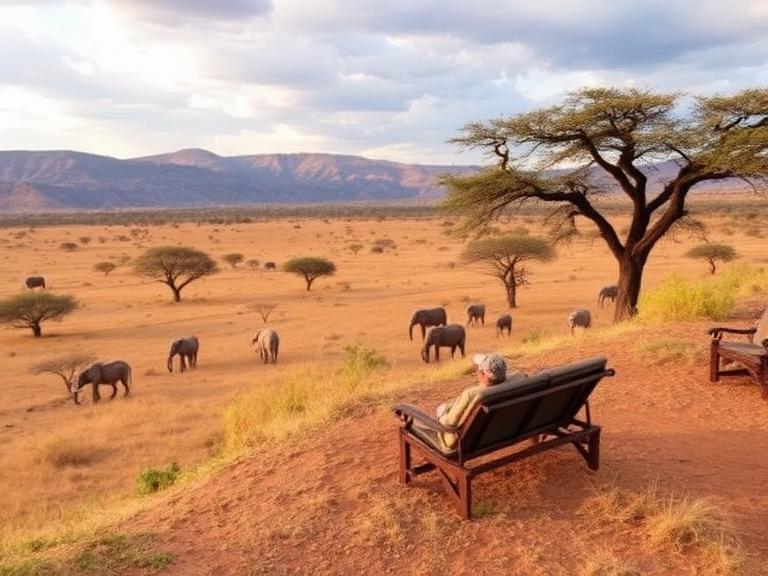
I’ll be honest — before my first safari in Tanzania, I thought accommodation was just a place to sleep between game drives. I couldn’t have been more wrong. The place you stay completely shapes your safari experience. In Tanzania, your lodge or camp becomes part of the adventure itself. One night I was listening to lions roaring outside a tent wall in the Serengeti, and another morning I watched elephants wander past my breakfast table while the coffee was still steaming. That’s when I realized Tanzania safari accommodation isn’t just about comfort. It’s about atmosphere, location, wildlife access, and how connected you feel to the landscape.
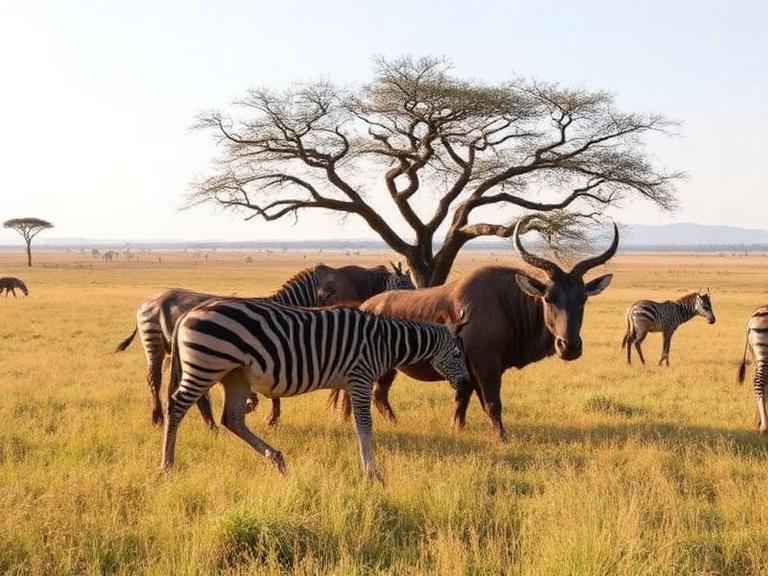
Tanzania is absolutely worth visiting if you love wildlife, dramatic scenery, and slow travel experiences that actually stay with you long after the trip ends. I’ve traveled through several safari destinations in Africa, but Tanzania felt different. The wilderness seemed larger, quieter, and somehow more cinematic. The Serengeti plains stretched endlessly like an ocean of gold grass, and every camp or lodge felt intentionally placed to immerse you in that environment rather than isolate you from it.
What surprised me most was the huge variety of accommodation options available. I met travelers staying in ultra-luxury suites with private plunge pools, while others were doing a budget camping safari Tanzania style with rooftop tents and communal campfires. Both groups were equally thrilled about their experience. That’s the beauty of planning a safari here — there’s genuinely something for every type of traveler.
Why Tanzania Safari Accommodation Matters More Than Most Travelers Expect
When people imagine a safari, they usually focus on the animals first. Lions, elephants, leopards, river crossings, and dramatic sunsets dominate the dream. I did the same thing while planning my trip. I spent weeks obsessing over migration timing and park routes, but barely thought about accommodation. Looking back, that was a mistake because where you stay determines how deeply you experience Tanzania.
My first night in the Serengeti changed my perspective instantly. I stayed in one of the classic tented camps Tanzania safari travelers often recommend online. It wasn’t ultra-luxury, but it had wooden floors, proper beds, hot showers, and canvas walls that let every sound of the bush drift inside. Around midnight, I woke up hearing hyenas laughing somewhere nearby. Instead of feeling scared, I felt strangely alive. Hotels in cities insulate you from the environment. Safari camps place you directly inside it.
Accommodation location also matters more than many first-time visitors realize. A lodge near wildlife-rich areas can dramatically improve your safari. In the Serengeti, staying centrally reduced long driving times and gave us better chances of early morning sightings. Some camps even sit directly on migration routes. During peak migration months, certain mobile camps Serengeti migration travelers book allow you to wake up beside thousands of wildebeest moving across the plains. That’s not something you can recreate with a day trip.
Tourism in Tanzania continues to grow rapidly, with over 2.1 million international visitors recorded in 2025 and tourism revenue reaching historic highs. That growing popularity means booking accommodation early has become increasingly important, especially in peak wildlife seasons.
Types of Safari Accommodation in Tanzania
One thing I genuinely appreciated about Tanzania was the range of choices available. Whether you want rustic camping under the stars or five-star indulgence in the middle of nowhere, there’s an option for you. Understanding the different types of safari accommodation in Tanzania helped me avoid booking something that didn’t match my travel style.
Safari Lodges in Tanzania
The classic safari lodges in Tanzania are permanent structures built with comfort as a priority. Some feel like boutique hotels hidden in the wilderness, while others lean into earthy African design with stone walls, wooden decks, and open-air lounges overlooking watering holes. I stayed at one lodge near Ngorongoro that had floor-to-ceiling windows facing the crater highlands. Every evening, fog rolled across the hills while staff lit lanterns around the dining area. It felt cinematic without trying too hard.
Luxury lodges in Tanzania can honestly rival top resorts anywhere in the world. Some properties include infinity pools, spas, gourmet dining, and private safari vehicles. A few high-end camps charge over $2,000 per night during peak season. Yet even mid-range lodges often deliver incredible value because game drives, meals, and guiding are usually bundled together.
What I liked most about lodges was the comfort after long game-drive days. Safari drives can be dusty and tiring, especially during dry season. Returning to a spacious room, a proper bed, and a hot shower felt amazing. Lodges are especially ideal for families, older travelers, or anyone nervous about sleeping in canvas tents.
Tented Camps Tanzania Safari Experiences
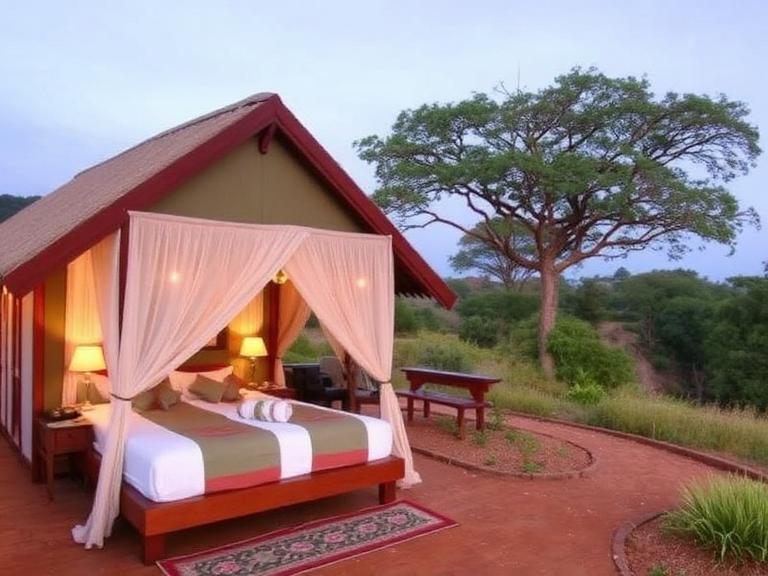
If I had to choose one accommodation style that defines Tanzania for me, it would be tented camps. These camps create the perfect middle ground between wilderness immersion and comfort. The word “tent” can sound basic, but many camps are surprisingly elegant. Think king-size beds, ensuite bathrooms, hardwood furniture, solar lighting, and private verandas overlooking endless plains.
Permanent tented camps stay in one location year-round. They often occupy prime wildlife areas and blend beautifully into the environment. I remember sitting outside my tent in Central Serengeti while zebras grazed nearby at sunset. It didn’t feel staged or curated. Wildlife simply existed around us naturally.
Then there are the famous mobile camps Serengeti migration travelers dream about. These camps move seasonally to follow the Great Migration. One of the guides explained it perfectly: “The migration moves, so we move too.” These camps offer front-row access to river crossings and wildebeest herds without needing hours of driving each day. During migration season, these mobile camps become some of the most sought-after accommodation choices in East Africa. Around 1.5 million wildebeest move through the ecosystem annually, making this one of the greatest wildlife spectacles on earth.
Budget Camping Safari Tanzania Options
Not every safari has to cost a fortune. I met backpackers and long-term travelers doing a budget camping safari Tanzania itinerary for a fraction of what luxury guests were paying. Surprisingly, many of them still had incredible wildlife experiences.
Budget camping usually involves dome tents, shared bathrooms, and public campsites inside or near national parks. Meals are simpler, and game drives are often shared with other travelers. The setup is less glamorous, but honestly, the bush atmosphere sometimes feels even more authentic. Sitting around a campfire after dinner while hearing distant animal sounds created some of my favorite memories from the trip.
According to recent accommodation market reports, budget camping safaris account for roughly 20–25% of Tanzania safari stays, showing how popular this style remains among travelers seeking affordability without sacrificing adventure.
Tanzania Safari Camps vs Lodges
One of the biggest decisions travelers face is choosing between camps and lodges. I struggled with this before my trip because both looked amazing online. After experiencing both, I realized the answer depends entirely on what kind of safari feeling you want.
For me, camps felt more immersive. There’s something special about hearing nature directly through canvas walls. Even simple routines feel more exciting. Walking back to your tent at night with a guide carrying a flashlight suddenly turns an ordinary moment into an adventure. Camps create intimacy with the landscape in a way lodges sometimes can’t.
Lodges, though, win on comfort and consistency. After several dusty days on safari roads, having larger rooms, stronger Wi-Fi, and more amenities felt refreshing. Some lodges also cater better to travelers needing accessibility or family-friendly facilities. Couples on honeymoon often choose luxury lodges because the experience feels more private and indulgent.
Here’s a simple comparison based on my experience:
| Feature | Safari Camps | Safari Lodges |
|---|---|---|
| Atmosphere | Immersive and adventurous | Comfortable and refined |
| Wildlife Sounds | Very close to nature | Slightly more insulated |
| Comfort Level | Moderate to luxury | High comfort |
| Best For | Adventure travelers | Families and honeymooners |
| Mobility | Some follow migration | Mostly permanent |
The truth is, you don’t necessarily need to choose one over the other. My itinerary combined both styles, and that mix actually kept the experience fresh throughout the trip.
Best Places to Stay in Serengeti Safari
Choosing the best places to stay in Serengeti safari routes depends heavily on the time of year and what wildlife experiences matter most to you. The Serengeti is massive, and different regions shine during different seasons.
Central Serengeti was my favorite all-around area because wildlife viewing stayed consistently strong. Even outside migration season, predators are active there year-round. I stayed near Seronera and saw lions almost daily. The area also worked well logistically because it reduced long transfer times between game drives.
Northern Serengeti becomes magical between July and October during river crossing season. This is where many travelers position themselves to watch wildebeest cross crocodile-filled rivers. Camps here book out incredibly early. Some mobile camps Serengeti migration experiences place guests within easy reach of active crossing points, which dramatically improves chances of seeing action without crowds.
Ndutu, in the southern Serengeti ecosystem, surprised me most emotionally. During calving season from roughly December to March, thousands of baby wildebeest are born across the plains. Predator activity intensifies because vulnerable newborns attract lions and cheetahs. The entire ecosystem feels alive and constantly moving.
Recent safari industry data also shows travelers are staying longer in Serengeti camps than before, with some premium camps averaging stays of over 3.5 nights due to increased interest in slower, more immersive safari experiences.
Luxury Safari Lodges Tanzania Travelers Love
I usually avoid overly luxurious travel because it can feel disconnected from the destination. Tanzania changed my opinion on that. Some of the luxury safari lodges Tanzania offers are designed in ways that actually deepen your connection with the landscape instead of distracting from it.
One lodge I visited had an infinity pool facing a watering hole where elephants gathered every afternoon. Another served dinner under lantern-lit acacia trees while Maasai staff shared stories about the surrounding ecosystem. The luxury wasn’t flashy. It felt thoughtful and rooted in place.
What stood out most was the guiding quality. Luxury camps often employ incredibly experienced guides who transform game drives into educational experiences rather than simple animal spotting sessions. One guide spent twenty minutes explaining hyena social structures after we watched a clan feeding at sunrise. That conversation stayed with me longer than some lion sightings.
High-end safari accommodation also increasingly focuses on conservation. Many luxury properties contribute directly to wildlife protection and local communities. Some camps operate in private conservancies with strict vehicle limits, which creates quieter wildlife encounters while supporting habitat preservation. At the same time, overtourism concerns have sparked growing conversations around sustainable safari development in East Africa.
Affordable Safari Accommodation Tanzania Travelers Should Consider
A safari in Tanzania can absolutely be expensive, but there are smart ways to reduce costs without ruining the experience. I learned quickly that strategic planning matters more than unlimited budget.
Traveling during shoulder season helped me save significantly on accommodation rates. Prices often drop outside peak migration months, especially in April, May, and parts of November. Wildlife viewing still remained excellent in many areas. Mid-range camps also offered the best balance between value and experience. According to recent market analysis, around 60% of Tanzania safari travelers choose mid-range accommodation, making it the most popular category by far.
Group safaris lowered costs dramatically because transport and guide fees were shared. Some camps also include full-board meals and game drives, which simplifies budgeting. I noticed many travelers accidentally underestimated park fees and transport costs while obsessing over room prices.
For travelers searching for affordable safari accommodation Tanzania options, I’d honestly recommend prioritizing location over luxury extras. A simpler camp inside a wildlife-rich area usually creates a better safari than a luxury property far outside the parks requiring hours of daily driving.
Where to Stay on Tanzania Safari Based on Travel Style
The best answer to where to stay on Tanzania safari adventures depends less on budget and more on personality. Different accommodation styles suit different travel moods.
For honeymooners and couples, luxury tented camps feel unbeatable. Candlelit dinners, outdoor bathtubs, and sunrise game drives create naturally romantic moments without needing artificial resort-style entertainment. I met several couples combining Serengeti camps with Zanzibar beaches afterward, which honestly seemed like the perfect balance.
Families often prefer larger lodges because they offer more flexibility and space. Some lodges have swimming pools, family suites, and kid-friendly schedules. Parents I spoke with appreciated having stable facilities after long game drives with children.
Solo travelers and photographers frequently leaned toward camps because the social atmosphere felt more relaxed and communal. Shared campfires and small dining areas made conversations easy. I ended up swapping wildlife stories with travelers from four different countries one evening while sitting beside a fire under unbelievably clear stars.
No matter your style, booking early matters more than many travelers realize. Several travelers I met regretted waiting too long because the best camps had already sold out. Smaller safari properties often only have 10–20 rooms available.
Best Time to Book Tanzania Safari Accommodation
Timing changes everything in Tanzania safari planning. If your dream involves migration river crossings, luxury camps, or specific Serengeti regions, booking six to twelve months ahead is genuinely smart.
Dry season between June and October remains the busiest period because wildlife gathers around water sources, making sightings easier. Northern Serengeti camps become especially competitive during river crossing months.
Green season travel, though, has advantages many travelers overlook. Landscapes become lush, birdlife explodes, crowds thin out, and prices often become far more manageable. My shoulder-season safari still delivered incredible lion sightings, elephant herds, and dramatic scenery without constant vehicle traffic around animals.
Weather also shapes accommodation experiences differently. During cooler months, cozy tented camps with campfires feel magical. In hotter periods, lodges with pools and shaded lounges become especially appealing.
Conclusion
Looking back, I think choosing the right Tanzania safari accommodation mattered almost as much as choosing the parks themselves. The camps, lodges, and wilderness settings shaped every emotion of the journey. I still remember waking before sunrise to hear distant lion calls outside my tent and drinking coffee while giraffes crossed the horizon in complete silence. Those moments didn’t happen because I picked the most expensive safari. They happened because I stayed in places that connected me directly to the environment.
If you’re planning a safari, don’t rush the accommodation decision. Think about how you want the experience to feel. Do you want adventure, comfort, intimacy, social atmosphere, or total luxury? Tanzania offers all of it. From budget camping safari Tanzania adventures to elegant luxury safari lodges Tanzania travelers dream about, there’s room for every travel style here.
I’d happily return tomorrow without changing much at all — except maybe staying even longer next time.
FAQs
What is the best type of safari accommodation in Tanzania?
It depends on your travel style. Tented camps offer the most immersive bush experience, while lodges provide higher comfort and more amenities. Many travelers combine both during one safari.
Are tented camps in Tanzania safe?
Yes, reputable safari camps follow strict safety procedures. Staff escort guests at night, and camps are designed specifically for wildlife areas. I always felt safe during my stay.
How much does Tanzania safari accommodation cost?
Budget camping can start around $80–150 per night, mid-range camps usually range from $300–600, and luxury lodges can exceed $2,000 per night during peak season.
Where should I stay in the Serengeti for the Great Migration?
Northern Serengeti works best for river crossings between July and October, while southern Serengeti and Ndutu are ideal during calving season from December to March.
Is it better to stay inside or outside national parks?
Staying inside parks usually improves wildlife access and reduces driving times. Outside-park accommodation can be cheaper but may require longer daily transfers.
How far in advance should I book Tanzania safari accommodation?
For peak season or migration-focused trips, booking 6–12 months early is recommended because the best camps fill quickly.