I’ve traveled to beaches that looked unreal, hiked mountains that left me speechless, and wandered through chaotic cities that somehow felt alive at every corner. But nothing prepared me for the silence of the Serengeti just before sunrise. That quiet moment, sitting in an open safari vehicle while the sky slowly turned orange over endless grasslands, honestly felt bigger than travel itself. If you’re wondering whether a Serengeti Safari Itinerary is worth planning, my answer is simple: absolutely yes.
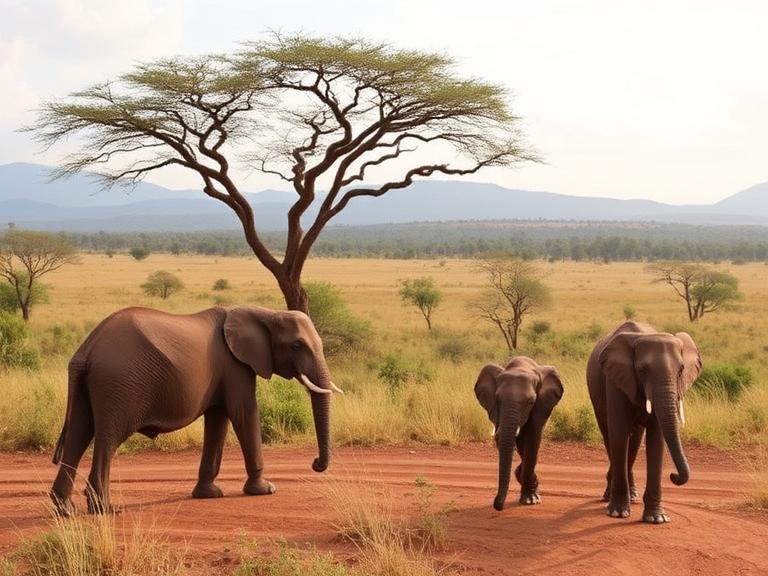
What surprised me most wasn’t only the wildlife. It was the rhythm of life in Tanzania. The way nature completely takes over your senses. One second you’re watching elephants move through golden dust, and the next you’re holding your breath while hundreds of wildebeest gather near the Mara River crossing. It doesn’t feel staged or curated for tourists. It feels raw, unpredictable, and incredibly real.
I also realized pretty quickly that planning a Serengeti National Park Safari is not as straightforward as booking a beach vacation. Timing matters. Routes matter. Choosing between a lodge safari or a camping safari changes your experience entirely. Even deciding whether you want a luxury safari or a more ethical safari Tanzania experience can shape the entire journey. That’s why I wanted to put together this detailed guide based on what actually worked for me, what I’d change next time, and what I genuinely think travelers should know before going.
Why a Serengeti Safari Feels Different From Any Other Trip
I knew the Serengeti would be beautiful. Everyone says that. What I didn’t expect was how emotionally immersive it would feel. Most travel experiences happen around you, but a Serengeti Wildlife Safari pulls you directly into the environment. There’s no separation between you and nature. You’re not behind glass in a zoo or watching edited documentaries from your couch. You’re sitting meters away from lions resting under acacia trees while giraffes casually walk across the horizon like moving sculptures.
The first morning game drive completely changed my expectations. We left camp around 5:45 AM while it was still dark and cold enough for jackets. Our guide barely spoke because everyone was quietly watching the landscape wake up. Then suddenly we spotted a leopard stretched across a tree branch. Nobody moved. Even the engine was switched off. That silence somehow made the moment feel more powerful than if we had all started cheering and taking selfies.
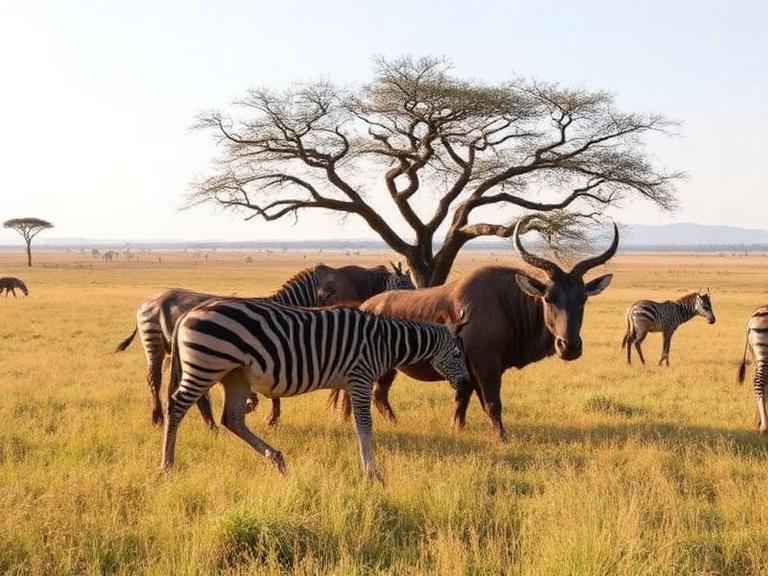
The Serengeti Great Migration was another experience entirely. More than 1.5 million wildebeest and zebras move through the ecosystem every year searching for fresh grazing land. Seeing thousands of animals moving together creates this strange feeling that you’re witnessing something ancient and unstoppable. It honestly made me think about how small humans are compared to nature’s cycles.
What also stood out was how different each region of the park felt. Central Serengeti had huge predator activity, while the Northern Serengeti Safari areas felt quieter but more dramatic because of the Mara River crossings. Every day felt unpredictable, which is exactly what made the experience addictive.
Planning the Perfect Serengeti Safari Itinerary
One of the biggest mistakes people make is underestimating how massive the Serengeti actually is. Looking at a map doesn’t prepare you for the long drives between regions or how quickly wildlife movement changes depending on rainfall and migration patterns. I initially thought four days would be enough, but after speaking with guides and other travelers, I realized a proper Serengeti Safari Itinerary really deserves at least seven days.
A week gives you enough time to combine different safari zones without feeling rushed. It also increases your chances of seeing the Big Five and experiencing different landscapes. I combined my safari with a Ngorongoro Crater Safari, which I highly recommend because the crater has one of the densest wildlife populations I’ve ever seen. It’s almost surreal how quickly animals appear there.
Budget also plays a major role in planning. A Luxury Serengeti Safari can easily cost $800–$2,000 per night depending on the season, while mid-range safaris usually range between $300–$600 per day including accommodation and game drives. Budget camping safaris are significantly cheaper and often cost around $200–$350 daily. The experience changes depending on your style, but honestly, I met travelers in every budget category who were equally blown away by Tanzania.
Timing matters even more than luxury. The migration doesn’t follow an exact calendar because rainfall patterns influence herd movement. July through October is usually best for the famous Mara River crossing in the Northern Serengeti. January to March is ideal for calving season in the southern plains. If you care about photography, shoulder seasons can actually be better because there are fewer vehicles crowding sightings.
I’d also strongly recommend booking through guides who focus on Ethical Safari Tanzania practices. I noticed huge differences between operators. Some respected animal space and prioritized conservation, while others chased wildlife too aggressively for photos. That distinction matters more than most travelers realize.
My Recommended 7-Day Serengeti Safari Itinerary
Day 1 – Arrival in Arusha
Most Tanzania Safari Tours begin in Arusha, and honestly, it’s the perfect transition into safari life. After arriving, I spent the first day recovering from flights, organizing safari gear, and meeting my guide. Arusha itself has a relaxed energy with markets, coffee shops, and views of Mount Meru in the distance. It’s not flashy, but it feels welcoming.
I stayed at a mid-range safari lodge for about $120 per night, which included airport transfer and breakfast. Many safari operators also use Arusha for pre-trip briefings where they explain park rules, road conditions, and wildlife expectations. This turned out to be extremely useful because safari days start early and involve long hours in vehicles.
One thing I appreciated was how honest local guides were about expectations. They explained that wildlife sightings are never guaranteed and that patience is part of the experience. That mindset actually made every sighting feel more rewarding.
Day 2 – Ngorongoro Crater Safari
The drive to the Ngorongoro Crater took several hours, but the changing scenery made it enjoyable. Villages, highlands, and open plains gradually replaced city traffic. Then suddenly the crater appeared, and honestly, it looked almost unreal. Standing on the rim felt like staring into another world entirely.
The crater safari was one of the most wildlife-packed days of my trip. Within a few hours we spotted lions, elephants, buffalo, zebras, flamingos, and even a black rhino in the distance. Because the crater floor is relatively enclosed, animals stay concentrated, which makes sightings more consistent than some areas of the Serengeti.
The road down into the crater is steep and dramatic, almost like descending into a prehistoric valley. Our guide explained how conservation rules limit vehicle numbers to help preserve the ecosystem. That balance between tourism and protection felt important throughout the trip.
Costs here can add up quickly because of crater fees and park permits. Current Serengeti-related park entry fees for foreign visitors are generally around $70–$83 per adult depending on the season and fee structure. Still, this was one of the few travel experiences where the cost genuinely felt justified.
Day 3 – Central Serengeti Wildlife Safari
Driving into Serengeti National Park felt almost symbolic. The landscape suddenly opened into endless plains that stretched farther than I could see. That classic safari image you picture in your head? This was it.
Central Serengeti, especially around Seronera, was incredible for predator sightings. We saw cheetahs resting near termite mounds and lions sleeping under trees during the hottest part of the afternoon. The guides communicate through radio systems, but sightings still feel natural because animals roam freely over huge distances.
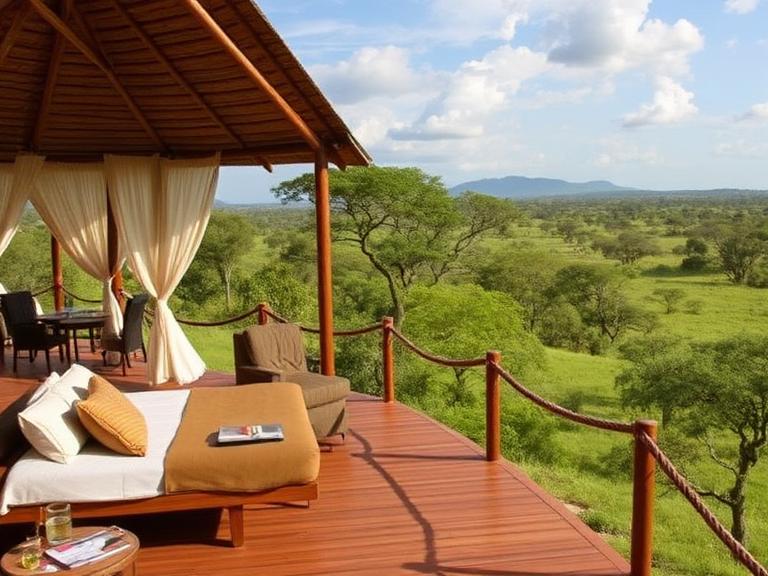
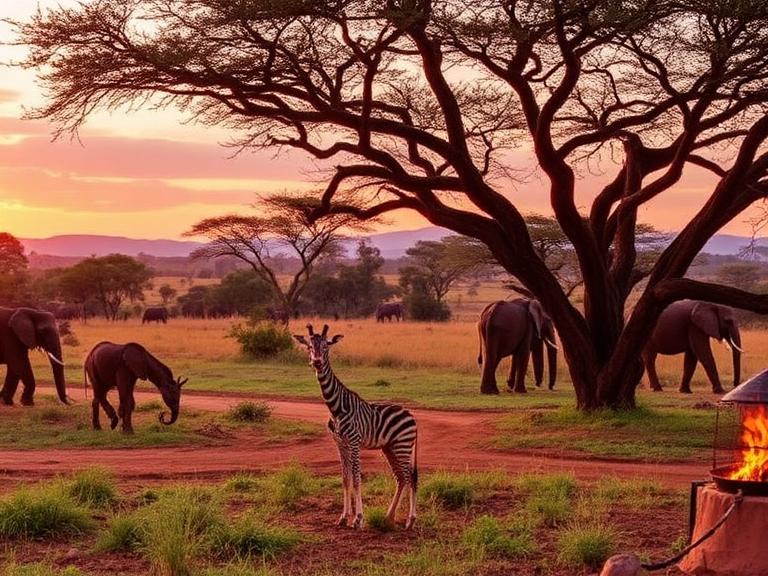
I stayed in a tented lodge that balanced comfort with immersion. Hearing hyenas outside at night while sitting around a campfire was honestly unforgettable. It reminded me that safari isn’t only about daytime game drives. The nighttime atmosphere matters too.
This was also the day I fully understood why people become obsessed with safari photography. Every hour changes the light, colors, and mood of the landscape. Even simple moments like elephants walking through dust clouds looked cinematic.
Day 4 – Full-Day Great Migration Safari
This was the day I had secretly been waiting for. The Great Migration Safari experience is what draws many travelers to Tanzania, and seeing it firsthand felt surreal. Thousands of wildebeest moved together across the plains while zebras mixed into the herds. The scale is almost impossible to understand until you see it yourself.
What surprised me most was the sound. You hear constant grunting and movement long before you see the animals clearly. It creates this strange atmosphere where the landscape itself feels alive. Our guide explained migration patterns and how rainfall determines herd movement each year.
We spent nearly ten hours exploring different sections of the park. Some moments were dramatic, especially when predators appeared nearby, but other moments were peaceful and strangely meditative. Watching the migration isn’t nonstop action. Sometimes it’s about simply observing the rhythm of wildlife behavior.
I’d recommend bringing binoculars, extra camera batteries, sunscreen, and patience. Safari days are long, dusty, and physically tiring, but somehow you still want them to continue.
Day 5 – Northern Serengeti Safari and Mara River Crossing
The Northern Serengeti Safari region felt wilder and less crowded compared to central areas. This is where travelers usually hope to witness the famous Mara River Crossing, especially between July and October.
We waited near the river for hours before anything happened. At first I wondered whether the animals would cross at all. Then suddenly the wildebeest began gathering near the banks. Within minutes complete chaos erupted. Animals pushed forward while crocodiles waited below the surface. Dust filled the air, guides whispered urgently, and cameras clicked nonstop around us.
Honestly, no documentary captures the tension properly. It felt raw and unpredictable. Some animals hesitated while others leaped into the water without warning. Watching survival unfold in real time was emotional in a way I didn’t expect.
This part of the safari is also more expensive because camps near the migration zones charge premium seasonal rates. Luxury mobile camps can exceed $1,000 nightly during peak migration season. Budget travelers usually stay farther away and drive longer distances for sightings.
Best Time to Visit Serengeti
Choosing the Best Time to Visit Serengeti depends entirely on what kind of safari experience you want. There isn’t one perfect season for everyone, which honestly makes planning both exciting and slightly overwhelming.
| Season | Best For | Experience |
|---|---|---|
| January–March | Calving season | Baby animals and predator action |
| April–May | Green season | Fewer tourists and lower prices |
| June–July | Herd movement | Excellent game viewing |
| July–October | Mara River Crossing | Peak migration drama |
| November–December | Returning migration | Lush scenery and fewer crowds |
The dry season usually offers easier wildlife spotting because animals gather around water sources. Roads are also more accessible. The green season, however, creates beautiful landscapes and softer photography lighting. I personally loved the balance of fewer crowds and dramatic skies during shoulder season travel.
Community discussions from safari travelers also highlight how off-season trips can feel more intimate and relaxed. Peak migration periods are spectacular but often busier and significantly more expensive.
Serengeti Safari Costs and Budget Tips
Safari pricing can initially feel intimidating, especially if you’ve never traveled in East Africa before. A proper Serengeti Safari Cost breakdown includes park fees, accommodation, transportation, guides, meals, and often domestic flights. It adds up quickly.
Here’s a rough estimate based on current pricing:
| Safari Style | Average Daily Cost |
|---|---|
| Budget Camping Safari | $200–$350 |
| Mid-Range Lodge Safari | $350–$700 |
| Luxury Serengeti Safari | $800–$2,500+ |
Park entry fees alone can exceed $70 per adult daily depending on residency status and season. Ngorongoro conservation fees are separate, and luxury lodges often charge additional concession fees.
One thing I learned quickly is that cheaper isn’t always better on safari. Experienced guides make an enormous difference. A great guide understands animal behavior, positioning for photography, and respectful wildlife viewing. That expertise completely changes the experience.
If you’re trying to save money without sacrificing quality, I’d recommend:
- Traveling during shoulder season
- Joining small-group safaris
- Combining lodges with camping nights
- Booking longer itineraries for better package rates
- Avoiding last-minute peak season bookings
Ethical Safari Tanzania Tips Every Traveler Should Know
Before visiting Tanzania, I honestly didn’t think much about safari ethics beyond basic conservation ideas. But once I arrived, it became obvious how much tourism behavior affects wildlife experiences.
Some safari vehicles respected animal distance and limited crowding around sightings. Others pushed too close for photos or blocked animal movement paths. That difference stayed with me throughout the trip.
Choosing operators focused on Ethical Safari Tanzania practices matters more than luxury. I’d strongly recommend asking questions before booking:
- How many vehicles gather at sightings?
- Do guides follow wildlife distance rules?
- Are local communities involved in tourism benefits?
- Does the company support conservation projects?
Responsible tourism also includes smaller personal choices. Staying quiet during sightings, avoiding drone use, and not pressuring guides to chase animals all contribute to a healthier safari environment.
The Serengeti ecosystem survives because of careful conservation balance. Seeing it firsthand made me appreciate how fragile these landscapes actually are.
Where I Stayed During My Tanzania Safari Experience
Accommodation completely shapes your Tanzania Safari Experience, and I genuinely enjoyed mixing styles instead of staying only in luxury lodges.
My favorite stay was a Serengeti Lodge Safari property overlooking open plains where zebras wandered nearby at sunrise. It wasn’t ultra-luxury, but it felt authentic and peaceful. Sitting by the fire after dinner while hearing distant animal sounds created the kind of memories hotels in cities rarely provide.
I also spent two nights on a Serengeti Camping Safari, which honestly surprised me. I expected it to feel rough and exhausting, but it actually made me feel closer to the environment. The tents were comfortable enough, meals were freshly prepared, and nighttime sounds became part of the experience.
For travelers considering combining adventures, many operators now offer Climb Kili Safari packages that pair Mount Kilimanjaro trekking with Serengeti safaris. Several travelers I met were doing exactly that before flying to Zanzibar afterward.
Safari accommodation ranges from simple mobile camps to ultra-luxury lodges with plunge pools and private guides. Personally, I think balance works best. A mix of comfort and immersion creates a more memorable trip.
Conclusion
A Serengeti Safari Itinerary is one of those travel experiences that stays with you long after you leave. Not because every moment is dramatic, but because the entire environment changes the way you experience nature. The silence, the scale, the unpredictability, and the rawness of wildlife movement create something difficult to explain until you’ve actually been there.
What I appreciated most about Tanzania was how genuine the experience felt. Even with growing tourism, the Serengeti still feels wild in a way few destinations do anymore. Watching the Serengeti Great Migration, exploring the Ngorongoro Crater, and spending nights surrounded by distant animal sounds reminded me why travel can still feel meaningful instead of just photogenic.
If you’re planning your own African Safari Adventure, give yourself enough time, choose ethical operators, and stay flexible with expectations. The best safari moments are usually the ones you never planned for in the first place.
FAQs
Is a Serengeti Safari worth the cost?
Yes, especially if wildlife and nature experiences genuinely interest you. Safari costs are high compared to standard vacations, but the experience feels incredibly unique and immersive.
How many days do you need for a Serengeti Safari Itinerary?
I’d recommend at least 6–7 days to combine the Serengeti with Ngorongoro Crater and different safari regions without rushing constantly.
What is the best month to see the Great Migration?
July through October is best for the Mara River crossing, while January through March is ideal for calving season.
Is Tanzania safe for safari travel?
Yes, Tanzania is generally considered safe for organized safari tourism. Using experienced guides and reputable operators makes the trip smoother and safer.
Should I choose a lodge safari or camping safari?
Both are great for different reasons. Lodges offer more comfort, while camping creates a stronger connection to the environment and often costs less.
Can you combine Zanzibar with a Serengeti Safari?
Absolutely. Many travelers combine a Tanzania safari with Zanzibar beaches because domestic flight connections are relatively easy and convenient.