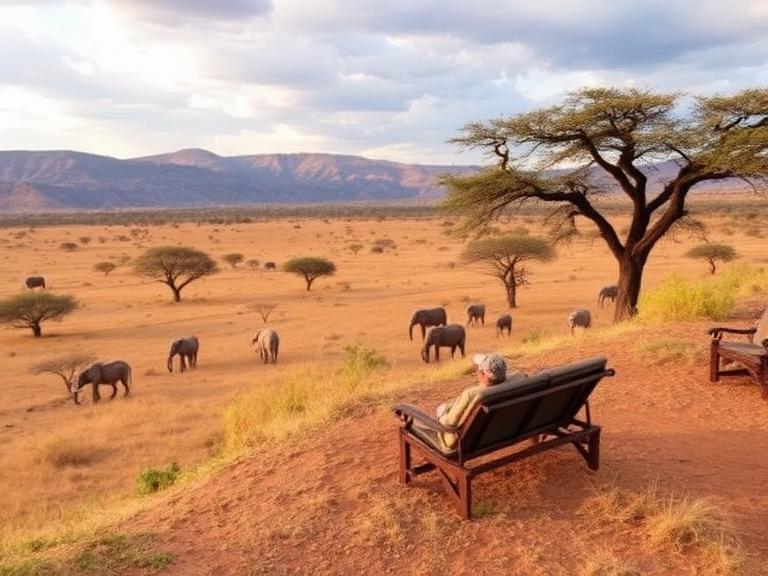
My first morning in Tanzania hit me in a way I didn’t expect. I had been to a few safari destinations before, but nothing prepared me for the scale of the landscape around the Tanzania safari lodges. The air felt wider, if that makes sense—like the horizon itself was stretching further than it should. I remember thinking that no photo or travel blog had quite captured this feeling correctly.
What makes Tanzania stand out is how raw it still feels. You’re not just visiting wildlife parks; you’re stepping into ecosystems that still behave exactly as they have for thousands of years. The Serengeti, in particular, doesn’t feel like a managed attraction—it feels alive in a way that almost ignores your presence. That was my first hint that Tanzania safari lodges aren’t just accommodation; they’re immersion points into a living wilderness.
My first reaction to Serengeti wilderness
When I reached the edge of the Serengeti, everything changed visually and emotionally. I stayed at a small camp-style lodge and could hear lions at night from my tent. It wasn’t scary—it was grounding. There’s something powerful about realizing you are a guest in someone else’s world, even if that world is untamed nature.
The Serengeti safari lodges are designed to make that experience comfortable without muting it. You still hear the wild, but you sleep in a proper bed, drink coffee at sunrise, and go out in 4×4 vehicles that feel like they belong in a documentary. That balance is what makes Tanzania unforgettable.
What Makes Luxury Safari Camps in Tanzania So Special
Blending wilderness with comfort
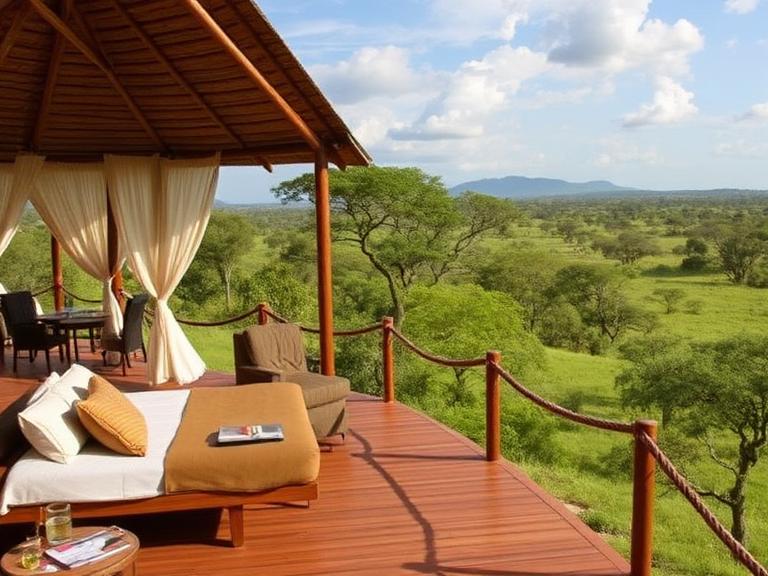
One thing I quickly learned is that luxury safari camps in Tanzania are not about marble floors or city-style hotels dropped in the wild. They’re about blending comfort into nature without disturbing it. My camp had canvas walls, wooden decks, and open-air showers—but also warm lighting, great food, and surprisingly fast service.
It felt like living between two worlds. One foot in absolute wilderness, and the other in thoughtful comfort. That combination is what defines high-end safari experiences here. According to recent travel operators, luxury stays in Tanzania can range from around $700 to $1,500+ per night depending on location and season .
Why location matters more than design
If there’s one thing I underestimated, it’s location. A beautifully designed lodge placed in the wrong part of the Serengeti can still feel “quiet” in terms of wildlife action. The best Tanzania safari lodges are positioned along migration routes or near rivers where animals naturally gather.
I stayed once in a lodge that overlooked a dry valley—beautiful sunsets, yes—but the real magic happened only after we drove an hour toward a river crossing. That’s when I understood why seasoned travelers obsess over positioning more than luxury decor.
My Stay in Serengeti Safari Lodges
Central Serengeti lodge experience
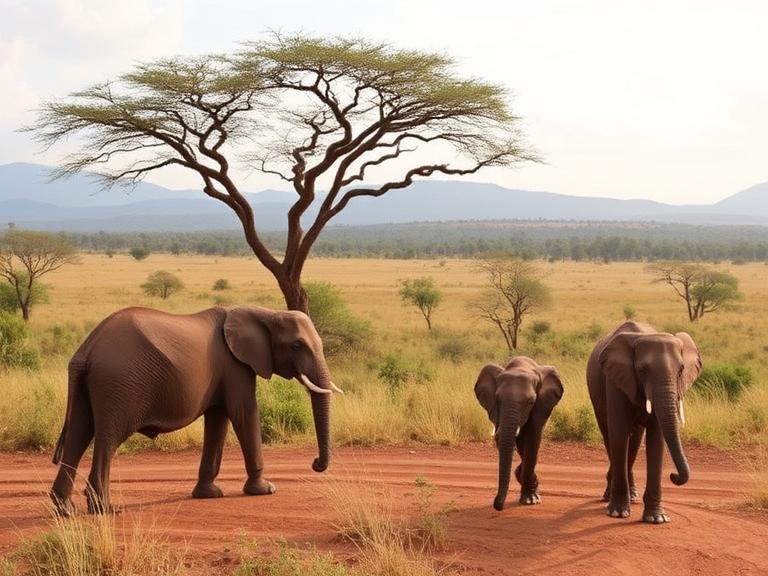
My time in the central Serengeti felt like living inside a wildlife documentary. The Serengeti safari lodges here are surrounded by resident wildlife year-round—lions, elephants, giraffes, and hyenas are part of your daily scenery. I remember sipping morning tea while watching elephants walk past a waterhole like they owned it.
One lodge I visited even had an infinity pool facing a busy wildlife corridor. It felt surreal to swim while zebras casually grazed in the distance. This central region is also where many travelers start, especially first-timers looking for consistent wildlife sightings.
The practical side? Expect mid-to-luxury pricing between $600 and $1,200 per night depending on comfort level and season .
Northern migration camps experience
The north was a completely different story. Here, everything revolves around movement—the Great Migration. I stayed in a mobile-style camp that shifted location depending on where the herds were.
This is where luxury safari camps in Tanzania feel most alive. One day you wake up to thousands of wildebeests nearby, and the next day the landscape is quieter because the herds have moved. It’s unpredictable, but that unpredictability is the magic.
If you’re planning this region, the Northern Tanzania safari itinerary becomes crucial because timing decides everything. River crossings between July and October are especially dramatic, with predators following closely behind migrating herds .
Top Luxury Safari Camps in Tanzania I Explored
High-end tented camps vs lodges
I tried both traditional lodges and tented camps, and the difference is more emotional than structural. Lodges feel stable and hotel-like, while tented camps feel closer to nature. The best luxury safari camps in Tanzania combine both—canvas walls with five-star service.
One evening, I sat by a firepit at a tented camp listening to distant hyenas while dinner was served under the stars. It felt simple and extravagant at the same time.
Popular choices include camps in the Serengeti, Ngorongoro Crater, and private reserves. Many premium stays fall into the $750 to $1,500 per night range for high-end experiences .
Real price expectations for 2026
Let’s be honest—Tanzania safaris are not budget trips. But the value is in what you experience, not just where you sleep. A full Northern Tanzania safari itinerary including lodges, transport, and park fees typically ranges from $3,500 to $14,500 per person for a week depending on luxury level .
That wide range exists because every detail matters: private guides, flying vs driving, and lodge exclusivity all change the cost significantly.
Northern Tanzania Safari Itinerary That Changed My Perspective
Arusha to Tarangire journey
My journey started in Arusha, a calm gateway town where most safaris begin. From there, I drove to Tarangire National Park, famous for elephant herds and giant baobab trees. The drive itself felt like a slow transformation from city life into wilderness.
I stayed one night near the park, and the lodge overlooked a valley where elephants gathered at sunset. It was my first real taste of Tanzania’s rhythm.
This part of the Northern Tanzania safari itinerary is often underrated, but it sets the tone for everything that follows.
Serengeti to Ngorongoro route
The Serengeti was the highlight, but Ngorongoro Crater surprised me emotionally. Descending into the crater feels like entering a lost world. Wildlife density here is unbelievable—lions, rhinos, buffalo, and flamingos all in one enclosed ecosystem.
Many travelers combine Serengeti safari lodges with Ngorongoro stays because it gives two completely different perspectives of Tanzania’s wildlife story.
Best Time to Visit Tanzania Safari Lodges
Migration season vs green season
Timing completely changes your experience. June to October is dry season—best for visibility and river crossings. January to March brings calving season in the southern Serengeti, where thousands of wildebeests are born daily.
Even though peak season is popular, it’s also more expensive. Off-season months like April and May can reduce costs by up to 30% according to recent travel data .
My personal timing recommendation
If I had to go again, I’d choose late January or early February. The landscape is green, the crowds are thinner, and predator action during calving season is intense. The Tanzania safari lodges feel more personal during this time, almost like you have the wilderness to yourself.
Safari Costs, Transport & Booking Tips
Flights, 4×4 vehicles, and internal transfers
Getting around Tanzania is part of the adventure. Most itineraries use Toyota Land Cruisers for game drives, and some remote lodges require small bush flights. These flights save time and give you incredible aerial views of the plains.
A typical Northern Tanzania safari itinerary includes park fees, guide services, meals, and accommodation bundled together, making planning easier than it seems.
What I actually paid vs expectations
Before going, I expected safaris to feel overpriced. After experiencing it, I realized most costs go into conservation, logistics, and expert guiding. The Serengeti safari lodges aren’t just hotels—they’re operational bases in the middle of one of the world’s largest ecosystems.
FAQs
1. Are Tanzania safari lodges safe?
Yes, most lodges are extremely safe with trained staff and clear wildlife protocols. You are always escorted after dark in open areas.
2. What is the average cost of luxury safari camps in Tanzania?
Luxury camps typically range from $700 to $1,500+ per night depending on season and location.
3. When is the best time for Serengeti safari lodges?
June to October is best for river crossings, while January to March is ideal for calving season.
4. Do I need a guide in Tanzania safaris?
Yes, guided safaris are essential. Wildlife tracking and park navigation require experienced drivers.
5. What should I pack for a Northern Tanzania safari itinerary?
Light clothing, warm layers for mornings, binoculars, sunscreen, and dust-proof bags are essential.
Conclusion
Leaving Tanzania felt like stepping out of a dream that still had dust on it. The Tanzania safari lodges weren’t just places to sleep—they were part of the experience itself. From watching elephants at sunrise to hearing lions at night, every moment felt real and unfiltered.
If anything, I left wanting more time, not less. The Serengeti doesn’t rush you—it slows you down until you start noticing details you normally miss in life. And that’s probably why I’d go back without hesitation.