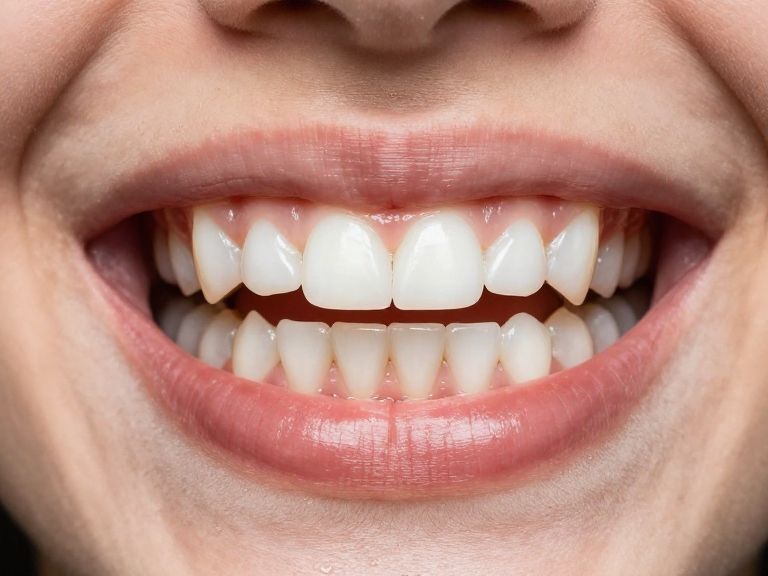
Many adults quietly wish they had straighter teeth but assume the window closed after their teens. It didn’t. Teeth can be moved at almost any age as long as the gums and supporting bone are healthy. Today, a large share of orthodontic patients are adults, and treatment options are more discreet than ever.
Can adults really get braces?
Yes. Orthodontic treatment works by applying gentle, steady pressure that gradually remodels the bone around each tooth. That process continues throughout life. The main difference in adults is that the jaw has stopped growing, so some bite problems that could be guided by growth in children may need a different approach, occasionally including surgery for severe cases.
Why adults choose orthodontic treatment
- Confidence: many people feel more comfortable smiling, speaking and being photographed.
- Easier cleaning: crowded or overlapping teeth trap plaque, raising the risk of decay and gum disease.
- Bite comfort: uneven bites can cause tooth wear, chipping or jaw strain.
- Teeth shifting with age: teeth naturally drift over time, especially if retainers weren’t worn after childhood braces.
- Preparation for other dental work: aligning teeth can make crowns, bridges or implants easier and more successful.
What are the options for adults?
| Option | Visibility | Removable? | Best for |
|---|---|---|---|
| Metal braces | Visible | No | All cases, including complex bite problems |
| Ceramic braces | Tooth-coloured, less visible | No | Most cases; people wanting a subtler look |
| Lingual braces | Hidden behind teeth | No | Complex cases where appearance matters a lot |
| Clear aligners | Nearly invisible | Yes | Mild to moderate crowding, spacing and relapse |
Clear aligners are especially popular with working adults because they can be removed for meetings, meals and photos. The trade-off is discipline: they generally need to be worn around 20–22 hours a day to work. For a detailed breakdown, see a closer look at clear aligner costs and comfort.
How long does adult treatment take?
Most adult cases take somewhere between 6 and 24 months, depending on how much movement is needed and which method is used. Minor touch-ups can be quick; complex bite corrections take longer. Because adult bone is denser, movement can be slightly slower than in teenagers.
What to check before you start
Gum health
Gum disease must be treated before teeth are moved. Moving teeth in unhealthy gums can worsen bone loss.
Existing dental work
Crowns, implants and bridges don’t move like natural teeth, so your orthodontist needs to plan around them.
Realistic expectations
Ask to see a digital simulation or examples of similar cases, and discuss what can and can’t be achieved.
The full cost
Ask whether the quote includes check-ups, refinements, emergency visits and retainers. Some providers offer monthly payment plans.
Does it hurt?
Expect pressure and mild soreness for a few days after braces are tightened or a new set of aligners begins. Soft foods and over-the-counter pain relief (if suitable for you) usually help. Wax can protect cheeks from brackets in the first weeks.
Life after treatment: retainers matter
Teeth tend to move back towards their old positions. Retainers, either fixed wires behind the teeth or removable trays, hold the new position. Many orthodontists recommend wearing removable retainers at night long-term. Skipping them is the most common reason adult results relapse.
Frequently asked questions
Is there an upper age limit for braces?
Not a fixed one. People in their 50s, 60s and beyond have treatment if their gums and bone are healthy.
Are at-home aligner kits a good idea?
Treatment without proper in-person examination and X-rays carries risks, as gum problems or bite issues may be missed. Supervision by a qualified orthodontist is safer.
Will braces affect my work life?
Speech may change slightly for a few days, especially with aligners or lingual braces, but most people adjust quickly.
Final thoughts
It’s rarely too late to straighten your teeth. With healthy gums, a good orthodontist and a commitment to retainers afterwards, adults can achieve results that look good and make daily dental care easier for years to come.
This article is for general information only and isn’t a substitute for a consultation with a qualified dentist or orthodontist.