I used to think a Budget Tanzania Safari was one of those travel dreams reserved for honeymooners, documentary crews, or people with wildly flexible bank accounts. Every photo I saw of the Serengeti looked expensive. Private jeeps, luxury tents, champagne breakfasts in the bush — it all felt far away from the kind of trip I usually plan. Then I actually went to Tanzania and realized something surprising: the wildlife experience itself doesn’t care how much you spend.
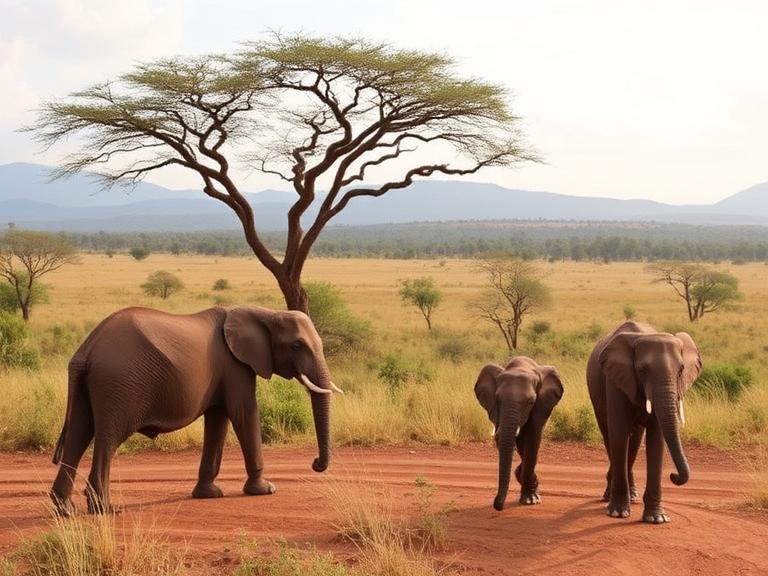
The lions still roar at sunrise. Elephants still cross the road in front of your jeep. The Serengeti still feels endless and surreal, like someone stretched nature beyond the limits of imagination. What changes is the level of comfort around the edges. Once I understood that, planning a Tanzania safari on a budget suddenly became realistic.
I spent days comparing routes, talking to local guides, checking camping options, and figuring out where travelers overspend. What I found was that an Affordable Tanzania safari can still feel unforgettable if you plan smartly. I camped under star-filled skies near the Serengeti, shared a safari vehicle with other travelers, and booked directly with a local guide instead of using expensive international agencies. Those small choices saved hundreds of dollars without reducing the experience itself.
If you’ve been dreaming about Tanzania but assumed it was out of reach financially, this guide is for you. I’ll walk you through exactly how I planned my safari, what it really cost, which parks were worth prioritizing, and how to enjoy a Cheap safari in Tanzania without feeling like you compromised the adventure.
Why Tanzania Is Worth Visiting Even on a Tight Budget
Before visiting Tanzania, I worried I’d feel like a “budget traveler” in the worst way possible. I imagined old vehicles, rushed game drives, and basic experiences compared to travelers staying in luxury lodges. The reality turned out completely different. Tanzania doesn’t dilute the wildlife experience just because you spend less money. The landscapes are the same. The animals are the same. The sunsets look just as dramatic whether you’re sleeping in a luxury tent or a public campsite.
My first morning in the Serengeti completely erased every concern I had. We left camp before sunrise in an aging but sturdy Land Cruiser, wrapped in jackets against the cold morning wind. About thirty minutes later, our guide suddenly slowed down and pointed ahead. A lioness stood in the middle of the road with three cubs tumbling behind her. Nobody spoke. Cameras clicked softly, but the moment itself felt larger than photography. That was when I realized a Tanzania wildlife safari isn’t about luxury. It’s about proximity to nature in its rawest form.
One reason I recommend a Budget Tanzania Safari so strongly is because Tanzania still offers relatively flexible travel styles. You can join group tours, sleep in dome tents, share transport, or mix camping with occasional lodges. Those choices dramatically reduce costs. According to recent safari pricing data, budget safaris typically cost around $180–$300 per person per day depending on season and park access. That’s still not “cheap” compared to Southeast Asia backpacking, but for an African safari, it’s far more attainable than most travelers expect.
Another thing that surprised me was how emotionally grounding Tanzania felt. Watching elephants move silently through Tarangire or hearing hyenas outside the campsite at night reminded me how disconnected daily life can become from the natural world. A safari slows you down. You start paying attention again — to sounds, movement, silence, weather, even animal behavior. That experience alone made every dollar worthwhile.
What a Budget Tanzania Safari Really Costs in 2026
One of the hardest parts of planning a Cheap safari in Tanzania is figuring out realistic pricing. Online advertisements can be wildly misleading. Some companies advertise impossibly low rates but quietly exclude park fees, camping charges, or transportation. Others market “budget” safaris that are basically mid-range trips with fancy branding. I spent weeks comparing itineraries before understanding where the money actually goes.
The biggest unavoidable expense is national park fees. Tanzania’s conservation system relies heavily on tourism revenue, and those fees support wildlife protection and park maintenance. Recent fee schedules show Serengeti entry costs around $70–$83 per adult per day, while the Ngorongoro Conservation Area charges additional crater vehicle descent fees. Once I understood that, safari pricing made more sense. Even the cheapest operators still pay significant fixed costs.
Here’s the rough daily breakdown I experienced during my Affordable Tanzania safari:
| Expense | Average Daily Cost |
|---|---|
| Park fees | $60–$90 |
| Camping accommodation | $20–$50 |
| Shared transport | $40–$80 |
| Meals | Included in most tours |
| Guide & driver | Included |
| Total Budget Range | $180–$300 |
The easiest way to reduce costs is joining a group safari. Sharing fuel, vehicle expenses, and guide fees lowers prices dramatically. I joined a six-person camping safari, and honestly, it improved the experience socially too. Long drives across dusty roads became more entertaining when shared with other travelers equally obsessed with spotting leopards.
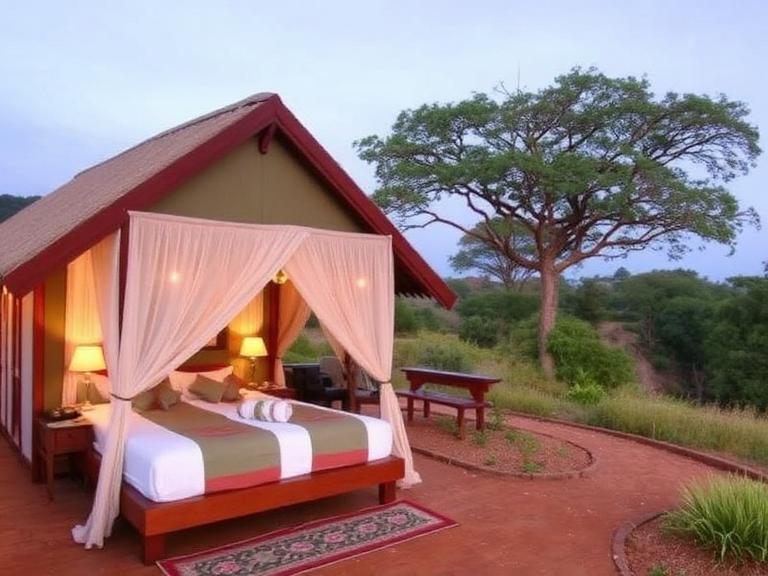
Accommodation also changes pricing fast. Public campsites inside or near the parks are far cheaper than tented lodges. My sleeping setup was simple — a dome tent, sleeping bag, and thin mattress — but after full days of game drives, I slept deeply anyway. The sound of zebras grazing outside camp somehow made up for the lack of luxury bedding.
One thing many travelers underestimate is transport time. Tanzania is huge, and road journeys between parks are long and bumpy. A shorter itinerary often feels rushed. I found that 5–7 days works best for a first Northern Tanzania safari itinerary because it balances wildlife viewing with manageable driving time.
How I Planned My Tanzania Safari Itinerary
Planning a realistic Tanzania safari itinerary became almost addictive once I started researching routes. There are so many iconic parks in Tanzania that narrowing them down felt impossible at first. Eventually, I focused on the Northern Circuit because it combines accessibility, wildlife density, and affordability better than almost anywhere else in Africa.
My route looked like this:
- Arusha arrival
- Tarangire National Park
- Serengeti National Park
- Ngorongoro Conservation Area
- Return to Arusha
- Flight to Zanzibar
This classic Northern Tanzania safari itinerary works especially well for budget travelers because the parks connect relatively efficiently by road. Southern parks like Ruaha or Nyerere are incredible but often require internal flights, which instantly raises costs.
Tarangire surprised me the most. Everyone talks about Serengeti and Ngorongoro, but Tarangire felt quieter and more intimate. Huge elephant herds moved between ancient baobab trees while giraffes wandered near the road. It also tends to be slightly cheaper than Serengeti, making it a smart addition for travelers planning a Tanzania safari on a budget.
The Serengeti itself deserves at least two nights minimum. Many cheap itineraries only include one night, but the distances are enormous. Spending more time there increases your chances of meaningful wildlife sightings instead of rushed drives. I saw lions, cheetahs, elephants, hippos, crocodiles, hyenas, and massive wildebeest herds during my stay.
Ngorongoro Crater felt completely different from Serengeti. Instead of endless plains, the crater creates a concentrated wildlife ecosystem inside an ancient volcanic caldera. It almost feels unreal at first glance, like nature compressed into a giant bowl. The descent fee is expensive, but splitting costs across a group makes the Ngorongoro Crater safari more manageable.
If you have extra time, combining safari with Zanzibar creates a perfect contrast. After dusty game drives and early mornings, arriving on Zanzibar’s white beaches feels almost dreamlike. A Zanzibar and safari package is popular for good reason because it balances adventure with recovery time.
Serengeti Budget Safari Experience
The phrase Serengeti budget safari almost sounds contradictory until you actually do it. I assumed the Serengeti would only cater to luxury travelers, but budget camping inside or near the park turned out to be one of the most memorable parts of my trip.
Our campsite was basic but atmospheric. There were shared bathrooms, simple dining tents, and strict rules about not wandering around at night because wildlife occasionally passed nearby. One evening, we heard hyenas laughing somewhere beyond the tents. Another night, zebras grazed close enough that we could hear them chewing grass. Luxury hotels might provide softer beds, but they can’t necessarily improve moments like that.
Game drives started early, usually around 6 a.m. The cold morning air surprised me at first because I associated Africa with constant heat. Those sunrise hours were often the best for wildlife activity. Lions remained active longer before the midday heat settled in, and predators were easier to spot.
One misconception about a Budget safari Serengeti is that you’ll somehow see fewer animals. In reality, wildlife sightings depend more on timing, guide experience, and patience than accommodation category. Our local guide knew animal behavior incredibly well. He could spot distant movement I would have completely missed. Booking directly with local operators often means guides have deep personal knowledge of the parks because they’ve worked there for years.
The Serengeti migration season also affects pricing heavily. July to October usually brings higher costs because travelers want to witness river crossings. Recent travel reports continue to highlight these months as peak migration viewing periods. I traveled slightly outside peak season and still saw huge herds without paying premium rates.
One optional activity many travelers debate is the Tanzania hot air balloon safari. Prices currently hover around $500+ per person. I skipped it because it exceeded my budget, and honestly, I didn’t regret that decision. The regular game drives already felt extraordinary. If your budget allows, it probably offers amazing views, but I wouldn’t call it essential for a fulfilling safari.
Visiting the Ngorongoro Crater on a Budget
If Serengeti feels vast and wild, the Ngorongoro Crater safari feels concentrated and cinematic. Descending into the crater at sunrise was one of the most visually dramatic moments of my Tanzania trip. Mist floated above the crater floor while sunlight slowly revealed herds of buffalo and zebras below. It genuinely looked like a nature documentary unfolding in real time.
Ngorongoro is often one of the most expensive parts of a safari because of conservation and vehicle fees. Current estimates place crater vehicle descent fees around $295 per vehicle, which gets divided among travelers. That’s why joining group tours becomes financially valuable. Sharing the cost among six people made the experience much more reasonable.
The wildlife density inside the crater is incredible. We spotted rhinos, lions, hippos, flamingos, jackals, and huge buffalo herds all within a single day. Unlike Serengeti, where animals spread across enormous plains, Ngorongoro creates a more compact viewing experience. Even travelers on shorter itineraries have strong chances of seeing the Big Five there.
One thing I appreciated about Ngorongoro was the cultural dimension surrounding the conservation area. Maasai communities still live nearby, and some tours include optional village visits. I usually avoid overly staged tourism experiences, but our guide explained the relationship between conservation and local communities in a thoughtful way. It added depth beyond just wildlife photography.
Budget travelers should know that accommodation location affects costs significantly here. Staying directly on the crater rim is expensive because of concession fees and premium views. Staying slightly outside the conservation area lowers prices while still allowing early morning crater access. That’s exactly what I did, and I didn’t feel like I missed out.
Tanzania Camping Safari: What It’s Really Like
Before my Tanzania camping safari, I had unrealistic fears about comfort. I imagined sleepless nights, terrible food, and chaotic campsites. What I actually found was a surprisingly organized system designed around safari logistics rather than luxury.
Most budget camping safaris include:
- Dome tents
- Sleeping mattresses
- Shared bathrooms
- Cooked meals
- Dining tents
- Campsite staff support
The food genuinely surprised me. Our safari cook somehow prepared soups, rice dishes, grilled chicken, vegetables, pancakes, and even fresh fruit despite operating from a compact camp kitchen. After long game drives, those meals felt deeply satisfying.
Camping also created stronger social interaction. Travelers naturally gathered around meals, compared wildlife sightings, and exchanged travel stories late into the evening. That communal atmosphere became part of the safari experience itself. Luxury lodges might provide privacy, but budget camping often creates better connections between travelers.
There are, of course, trade-offs. Bathrooms are basic. Dust gets everywhere. Charging electronics can be inconsistent. Nights can become surprisingly cold, especially in Ngorongoro. But none of those things reduced the emotional impact of the safari itself.
I’d actually argue camping increased my sense of immersion. Falling asleep to distant animal sounds felt more connected to the landscape than retreating into air-conditioned rooms. A Tanzania camping safari isn’t glamorous, but it feels authentic in a way that’s hard to describe until you experience it yourself.
How to Book Safari Directly With Local Guide
One of the smartest decisions I made was choosing to Book safari directly with local guide services instead of using international booking platforms. The price difference was significant. Local operators often provide nearly identical itineraries at lower costs because there’s no international agency markup layered on top.
I contacted several Tanzanian guides through traveler forums and recommendations before deciding. Most responded quickly through WhatsApp, which made planning surprisingly easy. They customized routes, adjusted accommodation preferences, and answered detailed questions about park logistics.
Booking locally also made the experience feel more personal. Our guide wasn’t just driving us around; he genuinely cared about the parks, wildlife, and traveler experience. He explained animal behavior constantly, taught us Swahili phrases, and shared stories about growing up near Arusha.
That said, you still need to research carefully. Read reviews, confirm inclusions, ask about park fees explicitly, and clarify whether prices are per person or total. Some operators advertise low rates but exclude important costs.
I also noticed that local guides often promoted more realistic itineraries. International agencies sometimes cram too many parks into too few days. Local operators understood the driving conditions and pacing better. That practical insight improved the overall quality of my trip.
Zanzibar and Safari Package: The Perfect Combination
After several dusty safari days, arriving in Zanzibar felt like stepping into another world entirely. The transition from savannah landscapes to turquoise Indian Ocean water was almost shocking. That contrast is exactly why Zanzibar and safari package combinations have become so popular.
I spent four days in Zanzibar after my safari, and it completely balanced the intensity of wildlife travel. Safari days start early, involve long drives, and keep you constantly alert for animal sightings. Zanzibar slows everything down again. Suddenly the pace shifts toward seafood dinners, beach walks, and warm ocean air.
Budget travelers can absolutely combine both experiences if they plan carefully. Domestic flights from Arusha to Zanzibar save huge amounts of travel time. Budget guesthouses in Zanzibar also exist beyond luxury beach resorts, especially around Paje and Jambiani.
Stone Town deserves at least one full day too. The narrow streets, carved wooden doors, spice markets, and coastal atmosphere feel completely different from mainland Tanzania. It adds historical and cultural depth to the overall trip instead of making the vacation only about wildlife.
Sustainable Tourism Tanzania: Why It Matters
One thing that stayed with me after the trip was how interconnected tourism and conservation are in Tanzania. Park fees directly support wildlife protection, ranger programs, and ecosystem management. Without tourism revenue, preserving massive wilderness areas like Serengeti becomes much harder.
That’s why Sustainable tourism Tanzania matters even for budget travelers. Spending less money doesn’t mean avoiding responsible travel choices. I tried supporting locally owned safari companies, respecting wildlife distances, minimizing plastic waste, and choosing operators who treated staff fairly.
Many local guides also emphasized conservation education during game drives. Seeing poaching discussions, habitat pressures, and conservation efforts explained directly by Tanzanian guides made the safari experience feel more meaningful than simple sightseeing.
Travel has complicated impacts everywhere, but Tanzania reminded me that tourism can genuinely support environmental protection when managed responsibly. Knowing my entrance fees contributed toward preserving these ecosystems actually made the costs easier to accept.
Best Time to Visit Tanzania for a Budget Safari
Timing changes safari prices dramatically. Peak season generally runs from July through October when migration river crossings attract huge international demand. Accommodation prices rise sharply during this period.
I traveled slightly outside peak migration months and found a much better balance between affordability and wildlife viewing. January through March can still offer excellent animal activity, especially during calving season in southern Serengeti. April and May tend to be cheapest because of heavier rains, though road conditions can become more challenging.
Here’s a simple breakdown:
| Season | Budget Level | Wildlife Experience |
|---|---|---|
| Jan–Mar | Moderate | Great calving season |
| Apr–May | Cheapest | Rainy but quiet |
| Jun–Oct | Expensive | Peak migration |
| Nov | Moderate | Short rains begin |
| Dec | Expensive | Holiday demand |
According to recent travel reports, migration timing still strongly influences safari demand and pricing patterns. If your schedule is flexible, avoiding peak migration months can save hundreds of dollars while still delivering incredible wildlife experiences.
Conclusion
A Budget Tanzania Safari turned out to be one of the most rewarding trips I’ve ever taken — not because it was cheap, but because it proved unforgettable experiences don’t always require luxury pricing. Tanzania has a way of stripping travel back to something simpler and more emotional. You wake before sunrise, drive across endless plains, and suddenly find yourself face-to-face with wildlife you’ve only seen in documentaries.
What surprised me most was how little the budget aspect mattered once the safari actually began. Lions don’t care where you sleep. Elephants don’t know if you booked through an expensive agency or directly with a local guide. The Serengeti still feels enormous and humbling regardless of accommodation category.
If you plan carefully, join group safaris, stay flexible with travel dates, and prioritize experiences over luxury, an Affordable Tanzania safari becomes far more realistic than most travelers expect. Add Zanzibar afterward if possible, support local guides when you can, and leave enough time to absorb the experience instead of rushing through it.
Tanzania isn’t just worth visiting. It’s one of those places that quietly changes how you see nature, travel, and even your own priorities afterward.
FAQs
Is a Budget Tanzania Safari worth it?
Absolutely. A budget safari still gives you access to the same parks and wildlife as luxury safaris. The main differences are accommodation style and vehicle sharing, not the actual animal experience.
How much does a cheap safari in Tanzania cost?
Most Cheap safari in Tanzania packages range between $180–$300 per person per day depending on season, group size, and accommodation type.
What is the best Tanzania safari itinerary for first-time visitors?
The Northern Circuit is ideal for first-timers. It usually includes Tarangire, Serengeti, and Ngorongoro Crater, offering strong wildlife diversity and manageable travel logistics.
Is camping safe during a Tanzania camping safari?
Yes, organized camping safaris follow strict safety procedures. Campsites have designated areas, guides provide instructions, and wildlife interactions are carefully managed.
Should I book safari directly with local guide companies?
Booking directly with local guides can reduce costs and create a more personal experience. Just make sure to check reviews, inclusions, and park fee details carefully before confirming.
Is the Tanzania hot air balloon safari worth the price?
It depends on your budget. Balloon safaris offer incredible aerial views but cost around $500+ per person. Many travelers still find regular game drives deeply rewarding without adding this activity.