I’ve traveled through a lot of beautiful places, but nothing prepared me for the feeling of waking up inside the wild plains of Northern Tanzania. The silence before sunrise, the distant roar of lions, and the endless golden grasslands made me realize why Northern Tanzania Safaris are considered one of the greatest wildlife experiences on Earth. Honestly, if you love nature, photography, adventure, or even just the idea of disconnecting from everyday chaos, this part of Africa is absolutely worth visiting.
What surprised me most wasn’t only the wildlife. It was the rhythm of life out there. One moment I was sipping coffee beside elephants in Tarangire, and a few days later I was watching thousands of wildebeest thunder across the Serengeti during the Great Migration Tanzania experience. Every park felt different, almost like flipping through chapters of a giant living documentary.
The famous Northern Tanzania Safari Circuit combines iconic destinations like Serengeti National Park Safari, Ngorongoro Crater Safari, Lake Manyara Safari, and Tarangire National Park Safari into one unforgettable route. You can travel in luxury lodges, choose rustic camps, or mix beaches and wildlife with Zanzibar and Safari Packages. The flexibility is part of what makes Tanzania so special for travelers.
Recent tourism reports also show growing interest in Tanzania safaris, especially around Serengeti tourism and migration experiences. The Great Migration alone involves over 1.5 million wildebeest moving through the Serengeti ecosystem every year.
Why Northern Tanzania Safaris Feel Different From Other African Safaris
Before visiting Tanzania, I had already done smaller wildlife trips in other countries, so I thought I knew what to expect. I was wrong. Northern Tanzania Safaris have this raw, cinematic scale that’s difficult to explain until you experience it yourself. The landscapes stretch forever, animals move freely without fences, and the safari drives feel less like tours and more like entering another ecosystem entirely.
The biggest difference for me was the diversity packed into one route. In just a few days, I went from the baobab-filled landscapes of Tarangire to the massive open plains of Serengeti and then descended into the lush Ngorongoro Crater. Every destination looked and felt completely different. That variety keeps the entire trip exciting because you never feel like you’re repeating the same safari experience twice.
I also noticed how well-organized most Tanzania Safari Tours are. Even smaller operators usually provide guides who know animal behavior incredibly well. My guide could identify birds by sound alone and somehow spotted a leopard resting in a tree from what looked like miles away. It felt less touristy and more educational in a natural way.
One thing I genuinely appreciated was the slower pace. Unlike crowded city vacations where you rush between attractions, safaris force you to slow down. You sit quietly, observe, and let nature unfold around you. It almost feels meditative at times, especially during sunrise game drives.
Serengeti National Park Safari Was the Highlight of My Trip
If someone asked me to describe the ultimate African Safari in Tanzania, I’d immediately talk about the Serengeti. The sheer scale of the place is hard to comprehend. You can drive for hours and still see endless plains dotted with zebras, giraffes, lions, and wildebeest. It genuinely feels like nature operating on its own terms.
The most unforgettable part of my Serengeti National Park Safari was seeing the migration herds moving together across the plains. Watching thousands of wildebeest run as dust clouds rose behind them felt surreal. Videos online don’t prepare you for the sound. The ground literally vibrates beneath the safari vehicle.
The Great Migration Tanzania remains one of the world’s largest wildlife movements, involving over 1.5 million wildebeest alongside zebras and gazelles. I visited during the northern crossing season, which usually peaks between July and October. That’s when travelers hope to witness the dramatic Mara River crossings.
| Serengeti Season | Best Wildlife Experience | Months |
|---|---|---|
| Calving Season | Baby wildebeest and predator action | Jan – Mar |
| Green Season | Fewer crowds and lush scenery | Apr – May |
| River Crossings | Great Migration crossings | Jul – Oct |
| Return Migration | Herds moving south | Nov – Dec |
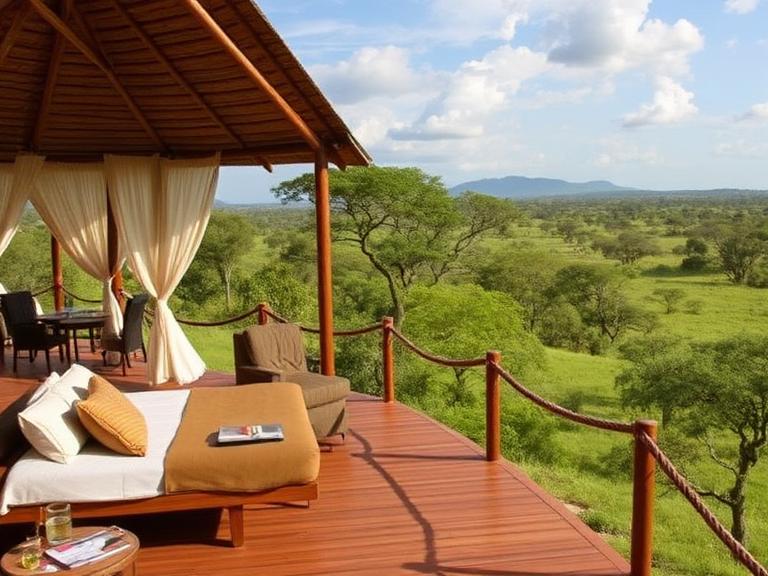
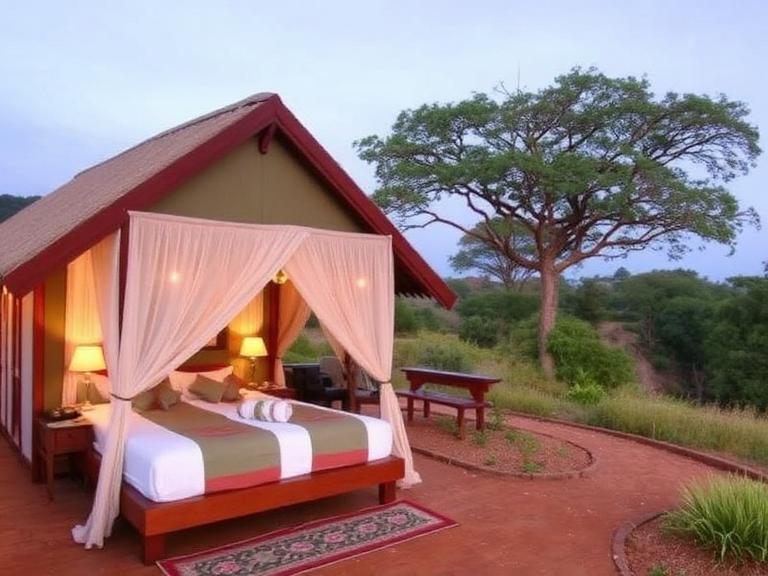
Accommodation inside Serengeti ranges from simple camps to ultra-premium lodges. I stayed in a mid-range tented camp, and honestly, it felt perfect. Falling asleep to hyenas calling outside the tent was both terrifying and magical.
Ngorongoro Crater Safari Felt Like Entering Another World
Driving down into Ngorongoro Crater was one of those moments where I just sat quietly staring out the window. The crater floor looked like a hidden world trapped inside ancient volcanic walls. Wildlife density here is incredible, which makes the Ngorongoro Crater Safari one of the easiest places to spot animals in a short time.
Within a few hours, I had already seen lions, buffalo, zebras, hippos, and even a black rhino in the distance. Many travelers choose Ngorongoro specifically for a Tanzania Big Five Safari, and I completely understand why. The crater’s enclosed ecosystem creates ideal conditions for concentrated wildlife viewing.
The experience also feels visually different from Serengeti. Serengeti is massive and endless, while Ngorongoro feels intimate and dramatic. Mist hangs around the crater rim in the morning, and sunlight slowly reveals animals scattered across the grasslands below. It honestly looked like a movie set.
One practical tip: mornings are cold near the crater rim, even if afternoons become warm. I underestimated that and regretted not bringing an extra jacket. Most crater safaris start early around 6 AM because animals are more active and crowds are smaller.
Tarangire National Park Safari Is Seriously Underrated
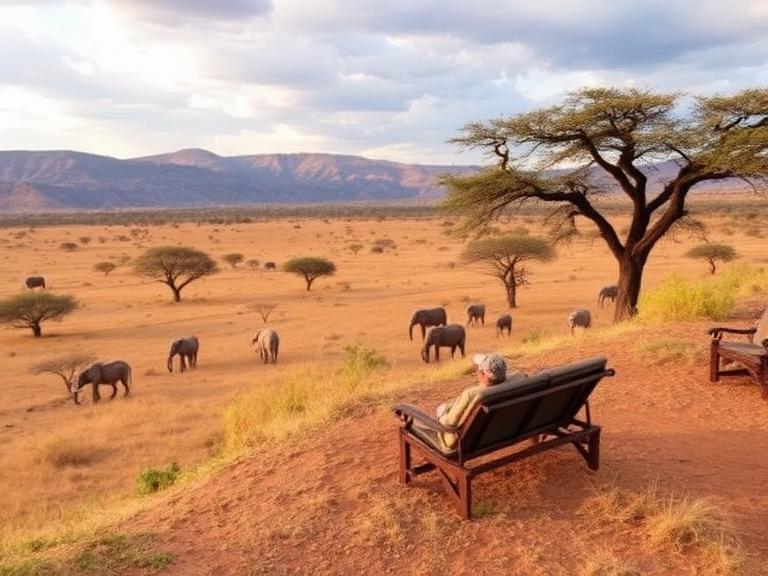
Most travelers focus heavily on Serengeti, but I think Tarangire National Park Safari experiences deserve way more attention. Tarangire surprised me because it felt quieter and less crowded while still offering incredible wildlife sightings. The park is especially famous for elephants, and I saw more elephant herds there than anywhere else during my trip.
The landscapes also stood out immediately. Giant baobab trees dominate the scenery, making the park feel ancient and almost mystical. At sunset, those trees create silhouettes that look straight out of a painting. I remember sitting quietly near the Tarangire River while dozens of elephants slowly approached for water. Nobody in the vehicle even spoke because the moment felt too special to interrupt.
According to safari guides and recent travel reports, Tarangire becomes particularly active during the dry season when wildlife gathers near permanent water sources. If you love photography, this park is amazing because animal concentrations can become extremely dense.
Another reason I enjoyed Tarangire was the relaxed atmosphere. Serengeti can feel busy during peak migration months, but Tarangire still maintains a quieter safari experience. It’s ideal for travelers who prefer slower, more peaceful game drives without dozens of vehicles surrounding every animal sighting.
Lake Manyara Safari Was Smaller But Surprisingly Beautiful
I originally expected Lake Manyara Safari to feel like a quick stop between bigger parks, but it ended up being one of the most scenic places on my trip. The park is smaller than Serengeti or Tarangire, but the diversity packed into such a compact area is impressive.
One moment we were driving through dense forest filled with monkeys and colorful birds, and the next we reached open lakeshore areas covered with flamingos. The atmosphere changes constantly inside the park, which makes it visually exciting. My guide joked that Lake Manyara feels like “multiple parks squeezed into one.”
Of course, many people visit hoping to spot the famous tree-climbing lions. I wasn’t lucky enough to see one in a tree, but we did encounter lions resting near the road. Even without the tree-climbing moment, the safari still felt worthwhile because of the scenery alone.
Lake Manyara works best as a one-day visit or overnight stop during longer Tanzania Safari Holidays. I personally wouldn’t skip it because it adds variety to the overall safari circuit. It’s also excellent for birdwatchers, especially during wetter months when migratory birds arrive.
Tanzania Lodge Safaris vs Tanzania Camping Safaris
Before my trip, I spent weeks debating between Tanzania Lodge Safaris and Tanzania Camping Safaris. In the end, I tried a combination of both, and honestly, each offered completely different experiences.
Camping safaris feel immersive and adventurous. Sitting around a campfire at night while hearing distant animal sounds creates a connection to the environment that’s difficult to replicate in a lodge. Even basic camps usually include proper beds, meals, and surprisingly comfortable facilities. It’s not rough backpacking unless you specifically choose ultra-budget options.
Lodge safaris, on the other hand, provide more comfort after long game drives. Hot showers, larger beds, swimming pools, and proper dining areas become very appealing after dusty safari days. Some luxury lodges even overlook watering holes where animals gather throughout the day.
| Safari Type | Best For | Approximate Cost Per Day |
|---|---|---|
| Budget Camping | Backpackers & adventure travelers | $180–$300 |
| Mid-Range Lodge | Comfort + value balance | $350–$600 |
| Luxury Safari | Premium experience | $700–$2000+ |
Personally, I preferred mixing both styles. Camping made me feel connected to the wilderness, while lodges gave me moments to recharge properly. Many Tanzania Safari Packages now combine camps and lodges to balance adventure and comfort.
Luxury Tanzania Safaris Are Incredible But Not Essential
I met travelers spending thousands per night on Luxury Tanzania Safaris, and yes, the experiences looked incredible. Some stayed in tented suites with private plunge pools, gourmet dining, and personal safari guides. A few even took hot-air balloon rides over Serengeti at sunrise.
That said, I don’t think luxury is necessary to enjoy Northern Tanzania. Wildlife is the main attraction, and whether you’re staying in a five-star lodge or a comfortable camp, the lions and elephants outside remain exactly the same.
Luxury safaris usually include:
- Fly-in transfers between parks
- Private vehicles
- High-end tented suites
- Premium dining experiences
- Personalized safari schedules
What surprised me was how excellent many mid-range camps were. I paid significantly less than luxury travelers but still enjoyed comfortable tents, amazing food, and experienced guides. Sometimes the smaller camps even felt more authentic because they blended naturally into the landscape.
One thing I do recommend spending money on is a knowledgeable guide. A great guide transforms the safari experience completely. They understand animal behavior, know hidden wildlife spots, and help you appreciate details you’d otherwise miss.
Best Time to Visit Northern Tanzania
The Best Time to Visit Northern Tanzania really depends on what you want to experience. I visited during the dry season, and wildlife viewing was fantastic because animals gathered near water sources. The roads were also easier to navigate, which meant smoother transfers between parks.
Dry season usually runs from June to October and is considered peak safari season. This is the best period for Serengeti Migration Safari experiences, especially river crossings in northern Serengeti.
The green season, which includes the rains from November through May, offers completely different advantages. Landscapes become vibrant and green, birdlife increases dramatically, and prices often drop. The calving season between January and March is especially popular because thousands of wildebeest give birth in southern Serengeti.
| Month | Safari Experience |
|---|---|
| Jan – Mar | Calving season & predators |
| Apr – May | Green landscapes & lower prices |
| Jun – Oct | Peak wildlife viewing |
| Nov – Dec | Short rains & fewer crowds |
I personally loved the dry season because the weather was comfortable and game viewing felt consistent every day. Still, I met photographers who specifically preferred the green season because the scenery looked more dramatic and crowds were smaller.
Tanzania Safari Itineraries That Actually Work
One thing I underestimated before traveling was how much driving is involved in Tanzania Safari Itineraries. Distances between parks can be long, so planning matters more than people realize. I saw some travelers rushing through parks too quickly, and honestly, that looked exhausting.
My favorite itinerary was a 7-day route:
- Arusha arrival
- Tarangire National Park
- Lake Manyara
- Ngorongoro Crater
- Serengeti Central
- Northern Serengeti
- Return flight
This route balanced wildlife, scenery, and travel time really well. Spending multiple nights inside Serengeti was especially important because wildlife sightings improve dramatically when you’re not rushing.
I also met travelers combining Kilimanjaro and Safari Tours, which sounded amazing if you have extra time. Many people climb Kilimanjaro first and then recover during a safari afterward. Others finish with Zanzibar beaches through Zanzibar and Safari Packages, which honestly sounds like the perfect ending.
If you only have limited time, I’d recommend prioritizing Serengeti and Ngorongoro. Those two parks alone deliver some of the best wildlife experiences in Africa.
If u Enjoy tanzania safari itineraries also read more about Serengeti Safari Itinerary
The Reality of Seeing the Great Migration Tanzania
Before arriving in Tanzania, I worried the migration might feel overrated because social media makes everything look overly dramatic. After seeing it myself, I completely changed my mind. The Serengeti Migration Safari experience genuinely feels like one of the greatest wildlife spectacles on Earth.
The unpredictability is part of what makes it special. Some travelers wait hours near crossing points hoping wildebeest will cross the river, while others suddenly witness thousands stampeding into the water within minutes. Even safari guides admit nature decides the schedule, not tourists.
Travel discussions online consistently describe the migration as emotional, chaotic, and unforgettable. Still, many experienced travelers now emphasize ethical safari behavior because overcrowding during crossings has become an issue in some areas.
That’s why choosing responsible operators matters. Good guides respect wildlife distances and avoid aggressive vehicle positioning near crossings. The best safari moments often happen quietly anyway, without chasing dramatic scenes.
Conclusion
Looking back, I understand why so many travelers return to Tanzania again and again. Northern Tanzania Safaris combine raw wildlife encounters, beautiful landscapes, and emotional moments that stay with you long after the trip ends. It’s not just about spotting animals. It’s about experiencing nature on a scale that feels almost impossible in modern life.
The combination of Serengeti National Park Safari, Ngorongoro Crater Safari, Tarangire National Park Safari, and Lake Manyara Safari creates a journey that constantly changes scenery, mood, and wildlife experiences. Whether you choose budget camping or Luxury Tanzania Safaris, the magic comes from being surrounded by untamed wilderness.
I’d absolutely recommend Tanzania to first-time safari travelers because the wildlife viewing is incredible and the safari infrastructure is well-developed. At the same time, experienced safari lovers still find Northern Tanzania exciting because no two game drives are ever the same.
If Tanzania is sitting on your travel bucket list somewhere in the background, stop overthinking it. Few destinations live up to expectations as completely as this one does.
FAQ
Is Northern Tanzania safe for safari travel?
Yes, Northern Tanzania is generally very safe for tourists, especially when traveling with reputable safari operators. Guides are highly experienced, and national parks are organized for tourism.
How many days do you need for a Northern Tanzania Safari?
I’d recommend at least 5 to 7 days. Shorter trips feel rushed because distances between parks can be significant.
What is the best month for a Serengeti Migration Safari?
July to October is best for river crossings, while January to March is excellent for calving season and predator activity.
Are Tanzania Camping Safaris comfortable?
Surprisingly yes. Most camping safaris include proper beds, meals, bathrooms, and comfortable tents. They feel adventurous without being overly difficult.
Can you combine Zanzibar with a Tanzania safari?
Absolutely. Many travelers finish their safari with beach time through Zanzibar and Safari Packages, which creates a perfect mix of adventure and relaxation.
Is a Tanzania Big Five Safari guaranteed?
No safari can guarantee sightings, but Northern Tanzania offers excellent chances of seeing all Big Five animals, especially in Serengeti and Ngorongoro.